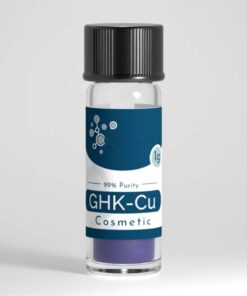
GHK Cu Injection
$60.00
Peptides, particularly copper peptides (GHK-Cu), consisting of a small peptide, Glycyl-L-Histidyl-L-Lysine (GHK), and copper ions (Cu), have become a focal point in the health and beauty industries for their multifaceted potential benefits, from hair and skin rejuvenation to possibly playing a role in maintaining overall health with age.
GHK-Cu (Copper Peptide) Injection
GHK-Cu is a naturally occurring tripeptide (glycyl-L-histidyl-L-lysine) with a high affinity for copper. Often referred to in the longevity community as a “molecular reset button,” this injectable peptide is celebrated for its profound ability to support tissue repair, collagen synthesis, and DNA health.
Why GHK-Cu?
As we age, the concentration of GHK-Cu in our plasma drops significantly—falling by more than 60% by age 60. Supplementing via injection allows for systemic absorption, bypassing the limitations of topical creams to support the body from the inside out.
GHK Cu Benefits
Advanced Skin & Anti-Aging
GHK-Cu is often called a “molecular reset button” for the skin because it targets the foundations of dermal health:
Collagen & Elastin Stimulation: It increases the synthesis of collagen and elastin more effectively than vitamin C or retinoic acid, leading to firmer, thicker skin.
Wrinkle Reduction: By strengthening the skin barrier and increasing elasticity, it visibly reduces the depth of fine lines.
Hyaluronic Acid Production: It boosts glycosaminoglycans (like hyaluronic acid), which keep the skin hydrated and “plump.”
2. Hair Growth & Scalp Health
This peptide is a staple in high-end hair restoration protocols:
Follicle Enlargement: It has been shown to increase the size of hair follicles, leading to thicker hair shafts.
Vascularization: It promotes the growth of new blood vessels around the follicle, ensuring a steady supply of oxygen and nutrients.
DHT Inhibition: Some research suggests it can help counteract the miniaturization of follicles caused by DHT.
3. Wound Healing & Tissue Repair
GHK-Cu was originally discovered for its role in the inflammatory phase of healing:
Anti-Inflammatory Action: It lowers the production of pro-inflammatory cytokines, reducing redness and swelling.
DNA Repair: It can modulate the expression of over 4,000 human genes, shifting them toward a “younger,” more regenerative state.
Scar Prevention: It helps organize the collagen fibers during the healing process, which can lead to smoother, less visible scarring.
4. Systemic & Cognitive Benefits
When used systemically (via injection), the benefits extend beyond the surface:
Antioxidant Support: It acts as a potent quencher of free radicals and helps manage oxidative stress.
Nerve Regeneration: Research indicates it supports the production of nerve growth factors, potentially aiding in recovery from nerve-related injuries.
Lung & Bone Health: Studies have explored its ability to protect lung tissue in chronic conditions and improve bone density by stimulating osteoblasts.
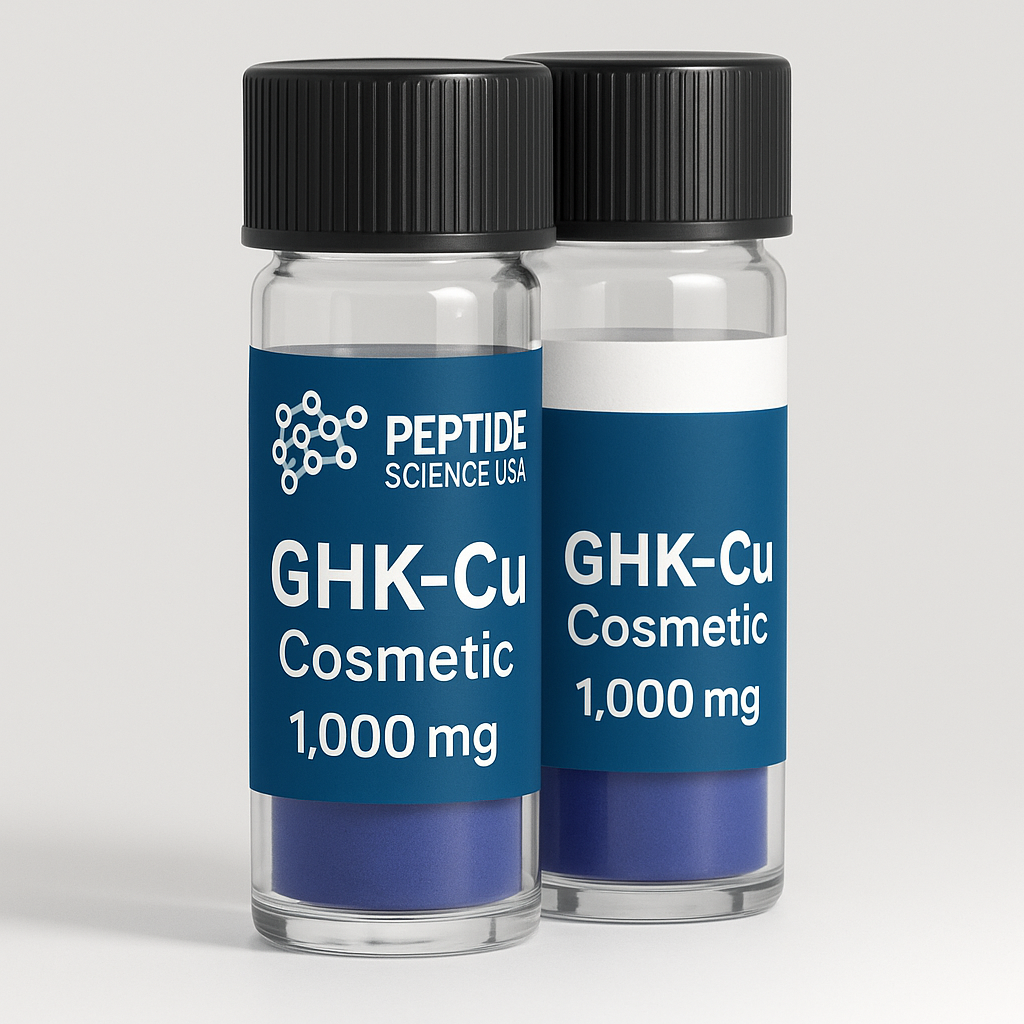
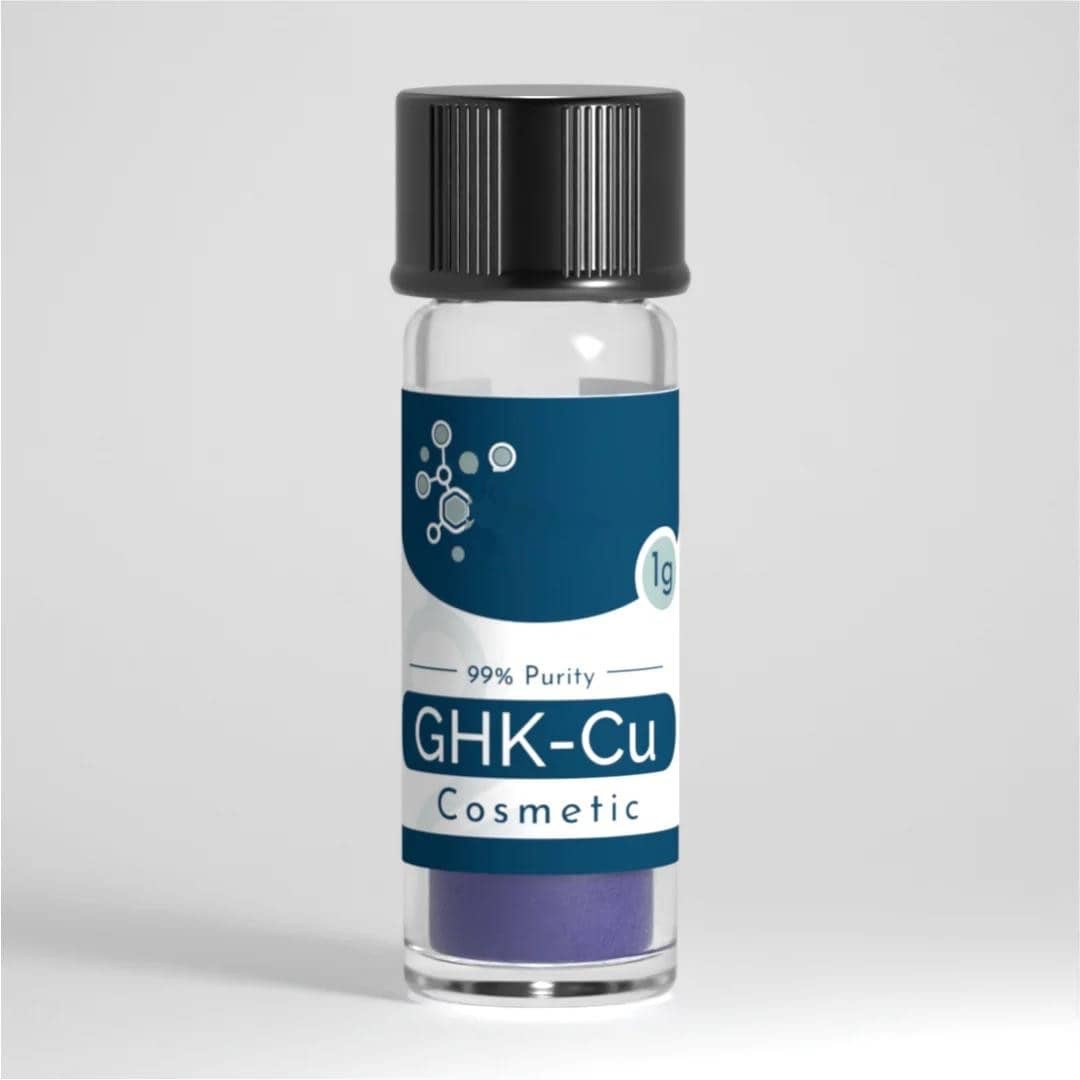
Simply add this product to your favorite skin care product, mix well and apply! Typically, you’d be looking for a 1%-3% concentration, or 0.5g-1.5g of copper product to 50g of moisturizer.
GHK Cu Cream
While GHK-Cu injections are often used for systemic benefits, topical GHK-Cu cream is the gold standard for localized skin rejuvenation. It is particularly effective because the skin naturally contains GHK receptors that trigger regenerative signals upon contact.
How GHK-Cu Cream Works
When applied to the skin, GHK-Cu acts as a carrier peptide. It stabilizes and delivers copper—a trace element vital for enzymatic reactions—deep into the dermis. This process stimulates the production of collagen, elastin, and glycosaminoglycans (like hyaluronic acid).
Key Benefits for Skin
Firmness & Elasticity: It significantly improves skin density and reduces sagging by strengthening the structural proteins of the dermal matrix.
Hyperpigmentation: Regular use can help fade “age spots” and even out skin tone by regulating melanin production and accelerating cell turnover.
Photo-Protection: It helps repair skin damaged by UV radiation and strengthens the skin’s natural protective barrier.
Fine Lines: Studies have shown that GHK-Cu can outperform Vitamin C and Retinoic Acid in increasing collagen synthesis, leading to smoother skin texture.
Usage Tips & Best Practices
Avoid Vitamin C: Do not mix GHK-Cu with L-Ascorbic Acid (Vitamin C) in the same routine. High concentrations of Vitamin C can break the copper bond, rendering the peptide ineffective.
Tip: Use Vitamin C in the morning and GHK-Cu at night.
Watch for “The Blue Hue”: Genuine GHK-Cu creams typically have a natural blue tint. If a product is stark white, the concentration may be very low.
Concentration Matters: Look for products with a concentration between 1% and 3% for therapeutic anti-aging results.
Frequently Asked Questions (FAQ)
What exactly is GHK-Cu?
GHK-Cu is a naturally occurring copper complex first identified in human plasma. It consists of the amino acids Glycine, Histidine, and Lysine bound to a copper ion. It is widely recognized for its ability to signal the body to repair damaged tissue and “reset” genes to a more youthful state.
2. What is the difference between GHK-Cu injections and creams?
Injections (Systemic): These are used to deliver the peptide throughout the entire body. This method is preferred for healing internal injuries (tendons, ligaments), improving bone density, and achieving overall anti-aging effects.
Creams/Serums (Topical): These are used for localized results. If your primary goal is reducing facial wrinkles, improving skin texture, or treating a specific area of hair loss, topical application is usually the best approach.
3. How long does it take to see results?
Results vary depending on the goal:
Skin texture and hydration: Often visible within 2–4 weeks.
Deep wrinkles and skin tightening: Usually requires 8–12 weeks of consistent use.
Hair growth: Typically takes 3–6 months to see significant changes in thickness and density.
4. Can I use GHK-Cu with Vitamin C or Retinol?
Vitamin C: It is best not to mix GHK-Cu with strong Vitamin C (L-Ascorbic Acid) in the same application. The acid can break the copper bond, making both ingredients less effective. Use Vitamin C in the morning and GHK-Cu at night.
Retinol: GHK-Cu can be used with Retinol, and many find they work synergistically. However, if you have sensitive skin, alternate nights to avoid irritation.
5. Why is the product blue?
The deep blue color is a natural characteristic of the copper-peptide bond. If a GHK-Cu product is completely clear or white, it likely contains a very low concentration of the active peptide.
6. Are there any side effects?
GHK-Cu is generally very well tolerated because it is a substance naturally found in the body.
Topical: May cause mild redness or tingling in people with very sensitive skin.
Injection: Some users report a “metallic taste” shortly after injection or mild soreness at the injection site.
7. Do I need to take Zinc if I use GHK-Cu?
If you are using GHK-Cu systemically (injections) for a prolonged period, some experts recommend a small Zinc supplement (15–25mg). This is because high levels of copper can sometimes deplete the body’s zinc stores. This is usually unnecessary for topical cream users.
8. How should I store my GHK-Cu?
Powder/Lyophilized: Store in a cool, dry place away from light (a freezer is best for long-term storage).
Reconstituted/Mixed: Once mixed into a liquid or cream, it should be kept in the refrigerator to maintain its potency.
Be the first to review “GHK Cu Injection”
Related products
Peptide
Peptide
Peptide
Peptide
Peptide
Peptide
Peptide
Peptide
Reviews
There are no reviews yet.