
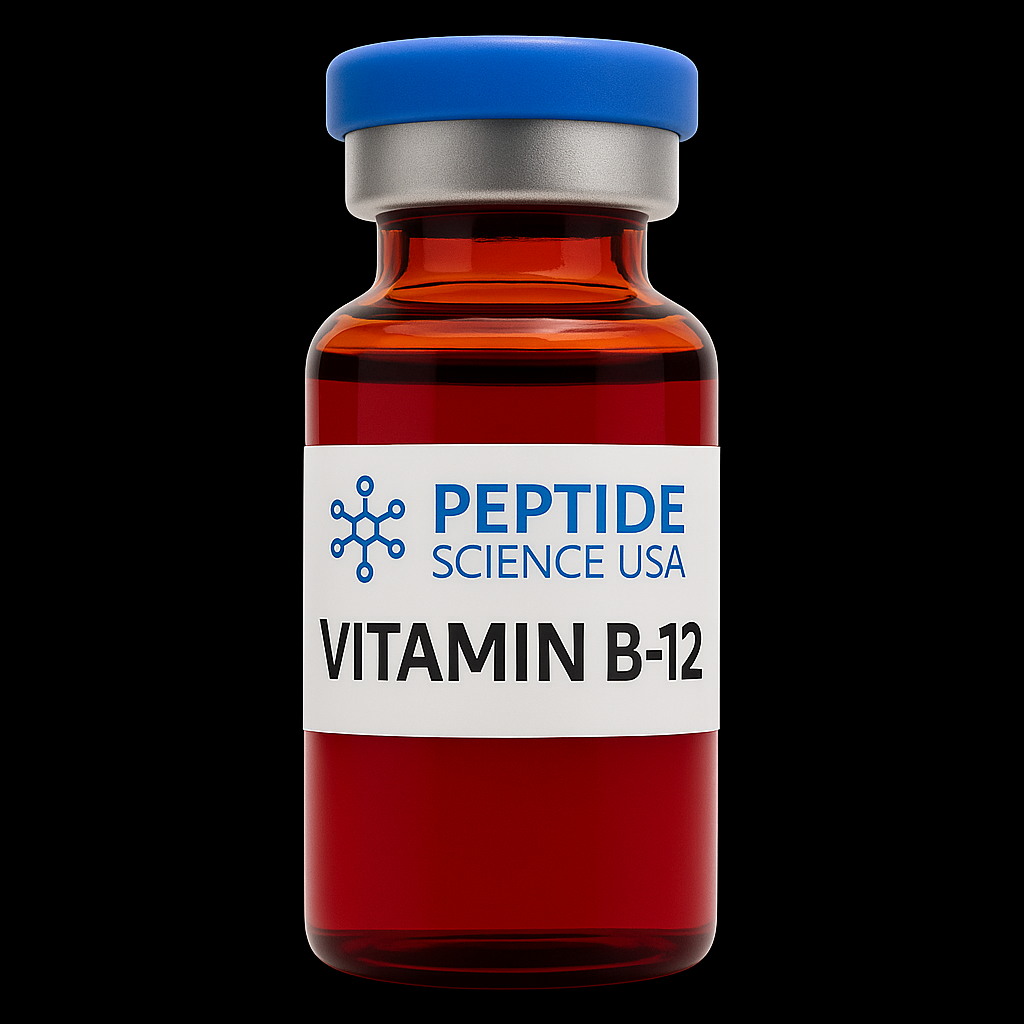
Buy Vitamin B-12
$100.00
A convenient Vitamin B-12 supplement to support normal energy-yielding metabolism, red blood cell formation, DNA synthesis, and healthy nervous-system function. A practical choice for adults seeking reliable daily B-12 nutritional support, including those following plant-based or restricted diets
Vitamin B-12 Supplement for Energy Metabolism, Red Blood Cell Formation & Nervous System Support
Vitamin B-12 is an essential nutrient with an outsized role in daily wellbeing. From supporting normal energy-yielding metabolism to helping the body form red blood cells and maintain a healthy nervous system, this water-soluble vitamin is a practical addition to many supplement routines—especially for people whose diets or life stage may make adequate intake more difficult.
Our Vitamin B-12 supplement offers a straightforward way to support your nutritional intake with one of the body’s most important B vitamins. Whether you follow a plant-based diet, are an older adult, have a busy routine, or simply want to make an informed choice about your micronutrient intake, Vitamin B-12 can help you build a more considered wellness routine.
Unlike vague “energy” products that promise instant results, a quality Vitamin B-12 supplement is about supporting normal biological processes. It is not a substitute for sleep, balanced meals, medical care, or prescribed treatment. It is a focused nutritional product designed to complement a healthy lifestyle.
What Is Vitamin B-12?
Vitamin B-12, also called cobalamin, is a water-soluble essential vitamin that supports normal red blood cell formation, energy metabolism, DNA synthesis, and nervous-system function. It occurs naturally in animal-derived foods, is added to some fortified foods, and is widely available as a dietary supplement.
The body needs only a small amount of B-12, but that amount matters. Because the vitamin is mainly found in animal foods such as fish, meat, eggs, milk, and dairy, people who avoid or limit these foods may need to pay closer attention to their intake. Fortified cereals, fortified nutritional yeast, and supplements can help fill nutritional gaps.
Why Choose a Vitamin B-12 Supplement?
A Vitamin B-12 supplement gives you a convenient, measurable way to support your intake without relying solely on food choices every day. It can be especially useful when dietary patterns, age, digestion, or personal preferences make it harder to get enough B-12 from food alone.
Vitamin B-12 contributes to several normal functions in the body:
- Normal energy-yielding metabolism
- Normal formation of red blood cells
- Normal functioning of the nervous system
- Normal psychological function
- Normal homocysteine metabolism
- The reduction of tiredness and fatigue when low B-12 intake is a contributing factor
- Normal DNA synthesis and cell division
These are nutrient-function benefits, not promises to treat illness. If you have persistent fatigue, tingling, numbness, weakness, memory changes, or other concerning symptoms, speak with a qualified healthcare professional rather than self-diagnosing with supplements.
Vitamin B-12 and Everyday Energy
“Energy support” is one of the most common reasons shoppers search for a Vitamin B-12 supplement. It is important to understand what that phrase genuinely means.
Vitamin B-12 supports normal energy-yielding metabolism: the body’s normal process of releasing and using energy from food. It does not work like a stimulant. A B-12 tablet is not a replacement for sleep, and it should not be marketed as an instant energy boost for everyone.
For people who are not getting enough B-12, correcting insufficient intake may support normal energy metabolism and help address fatigue associated with low B-12 status. However, tiredness can arise from many causes, including poor sleep, stress, low iron, thyroid conditions, infection, medication, depression, and other health concerns. A thoughtful approach is always better than assuming one supplement explains everything.
A practical example
Consider someone following a vegan diet who rarely eats B-12-fortified foods. Because unfortified plant foods do not naturally provide reliable Vitamin B-12, a regular supplement may be a practical part of meeting their nutritional needs. By contrast, someone who eats a varied diet containing animal products may already obtain adequate B-12 from food.
The point is not that one routine suits everyone. It is that the best supplement choices start with real dietary context.
Who May Consider Vitamin B-12?
Vitamin B-12 is used by many adults, but it can be particularly relevant for people in certain dietary or life-stage groups.
Vegans and many vegetarians
Vitamin B-12 is naturally present in animal foods, not ordinary plant foods. People following a vegan diet should use reliable B-12 sources, such as fortified foods and/or a suitable supplement. Some vegetarians may also benefit from reviewing their intake, depending on how often they consume eggs and dairy.
Do not rely on foods marketed as “natural” plant sources of B-12 without checking the evidence and the nutrition label. Fortified foods and clearly labelled supplements offer a more dependable approach.
Older adults
Absorption of food-bound B-12 can become more difficult with age for some people. The NIH notes that some older adults have trouble absorbing Vitamin B-12 from foods. A clinician or pharmacist can help determine whether a supplement is appropriate and which format best suits individual needs.
People with restricted diets
People who eat little meat, fish, dairy, or eggs—whether through preference, appetite changes, cost, allergy, or a restrictive diet—may have lower dietary exposure to B-12. Reviewing the weekly diet is often more useful than guessing.
People taking certain medicines
Some medicines may affect Vitamin B-12 absorption or status. If you take regular medication, particularly long-term medication, ask your pharmacist or doctor before adding a high-dose supplement. Do not stop or change prescribed treatment based on supplement information.
Understanding Vitamin B-12 Forms: Cyanocobalamin, Methylcobalamin & More
Vitamin B-12 supplements come in several forms. The label may list cyanocobalamin, methylcobalamin, adenosylcobalamin, or hydroxocobalamin.
Cyanocobalamin
Cyanocobalamin is a common, stable supplemental form of Vitamin B-12. It is frequently used in tablets, capsules, and other oral products. It is widely studied and readily available.
Methylcobalamin
Methylcobalamin is another common form, often chosen by shoppers looking for a particular “active” or coenzyme form. It appears in tablets, lozenges, sprays, and sublingual products.
Adenosylcobalamin
Adenosylcobalamin is another biologically relevant B-12 form. It may be used alone or paired with methylcobalamin in some products.
Hydroxocobalamin
Hydroxocobalamin is commonly used in clinician-administered injections in certain settings. It is not interchangeable with every over-the-counter supplement format or treatment plan.
For everyday shoppers, the best choice is usually a reputable product with a clear Supplement Facts panel, an appropriate serving size, and instructions you can follow consistently. The NIH states that research has not shown one supplemental form to be superior to the others for the general consumer. In other words: form can matter in specific clinical contexts, but marketing language alone should not decide your purchase.
How to Choose a Quality Vitamin B-12 Supplement
Not all supplements make it easy to understand what you are buying. Use this simple product-evaluation framework before choosing a Vitamin B-12 supplement.
1. Read the Supplement Facts label
Look for:
- The amount of Vitamin B-12 per serving, usually stated in micrograms (mcg)
- The form of B-12 used
- Serving size and suggested use
- Any additional ingredients, sweeteners, flavourings, or allergens
- Manufacturer and batch or traceability information where available
High percentages of Daily Value can look alarming, but B-12 supplements commonly contain amounts much higher than the daily requirement because only a limited proportion may be absorbed at one time. This does not make every high-dose product necessary for every person. Select a dose that fits your needs and seek professional advice where appropriate.
2. Choose a format you will actually take
Vitamin B-12 is available as tablets, capsules, gummies, oral sprays, liquid drops, lozenges, and sublingual tablets. The “best” format is usually the one that fits your routine, dietary requirements, and any professional advice you have received.
A tablet may suit someone who values simplicity and low cost. A lozenge or spray may appeal to people who dislike swallowing pills. Gummies can be convenient, but check for added sugar and confirm the serving size.
3. Avoid unsupported promises
Be cautious of products claiming to “cure exhaustion,” “reverse nerve damage,” “detox the body,” or replace medical treatment. Responsible supplement brands describe nutrient support accurately and encourage users to seek clinical guidance for symptoms or diagnosed deficiencies.
4. Check dietary suitability
If relevant to your needs, look for clear information about whether the product is suitable for vegans, vegetarians, gluten-free diets, or other dietary preferences. Do not assume suitability from packaging colours or broad wellness claims—read the full ingredients list.
5. Buy from a trusted retailer or manufacturer
Choose brands that clearly identify the product, provide label transparency, and make contact information accessible. Avoid products with unclear ingredient quantities, exaggerated therapeutic claims, or no identifiable source.
How to Take Vitamin B-12
Always follow the serving instructions printed on your product label. Vitamin B-12 supplements may be taken at different times of day depending on the product format and your personal routine.
Here is a simple, practical approach:
- Check the label for serving size and usage directions.
- Take the supplement consistently rather than sporadically.
- Pair it with an existing habit, such as breakfast or brushing your teeth, if that helps you remember.
- Keep a note of all supplements and medicines you use.
- Review your routine with a pharmacist, doctor, or registered dietitian if you are pregnant, breastfeeding, managing a health condition, taking medication, or using B-12 to address symptoms.
More is not automatically better. Taking a supplement should be intentional, label-led, and appropriate to your circumstances.
Vitamin B-12 Foods vs Supplements
Food and supplements can work together; this is not an either-or decision for everyone.
| Source | Examples | Best for | Considerations |
|---|---|---|---|
| Naturally B-12-containing foods | Fish, meat, poultry, eggs, dairy | People who eat these foods regularly | Intake varies with diet and portion size |
| Fortified foods | Some cereals, plant milks, nutritional yeast | Vegans and people reducing animal products | Check labels; fortification levels differ |
| Vitamin B-12 supplements | Tablets, capsules, sprays, lozenges | Convenient, measured nutritional support | Choose an appropriate product and follow the label |
| Medical treatment | Prescribed tablets, injections, nasal products | Confirmed deficiency or absorption concerns | Requires professional assessment and follow-up |
A balanced diet remains the foundation of nutrition. Supplements are most useful when they address a genuine gap, support a dietary pattern, or are recommended by a healthcare professional.
Important Safety Information
Vitamin B-12 is generally considered safe for most people when used as directed, but “generally safe” does not mean “right for every situation.”
Speak with a healthcare professional before use if you:
- Have been diagnosed with Vitamin B-12 deficiency or pernicious anaemia
- Have tingling, numbness, balance changes, persistent fatigue, or neurological symptoms
- Have digestive conditions or a history of gastrointestinal surgery
- Take prescription medicines or are under ongoing medical care
- Are pregnant or breastfeeding
- Are buying a supplement for a child
- Have known allergies or sensitivities to ingredients in the product
A supplement should not delay diagnosis. Some symptoms associated with B-12 deficiency can overlap with other health conditions, and untreated deficiency may require medical management. If you suspect deficiency, arrange appropriate clinical advice and testing.
Why Make Vitamin B-12 Part of Your Wellness Routine?
A Vitamin B-12 supplement is a simple choice with a clear purpose: supporting intake of an essential nutrient involved in normal energy metabolism, red blood cell formation, and nervous-system function.
It is especially valuable when used thoughtfully. Rather than chasing exaggerated claims, use Vitamin B-12 as one component of a realistic wellness strategy:
- Eat a varied diet suited to your preferences and needs.
- Use fortified foods where appropriate.
- Choose a clearly labelled B-12 supplement when your intake may be limited.
- Follow the product directions consistently.
- Seek professional support for symptoms, deficiency concerns, or absorption issues.
This measured approach is what makes a good supplement routine sustainable. Vitamin B-12 is not a miracle shortcut. It is a well-understood essential nutrient that can help support normal body functions when your diet or circumstances call for additional support.
Frequently Asked Questions About Vitamin B-12
What does Vitamin B-12 do?
Vitamin B-12 supports normal energy-yielding metabolism, red blood cell formation, DNA synthesis, and healthy nervous-system function. It is an essential nutrient, meaning the body needs it from food, fortified foods, supplements, or prescribed treatment when clinically indicated.
Is Vitamin B-12 good for tiredness?
Vitamin B-12 contributes to normal energy metabolism and may help reduce tiredness and fatigue when inadequate B-12 intake is a factor. However, fatigue has many possible causes. Persistent or severe tiredness should be discussed with a healthcare professional.
Can vegans take Vitamin B-12 supplements?
Yes. Because ordinary plant foods do not naturally provide reliable Vitamin B-12, vegans should use dependable sources such as fortified foods and/or a suitable B-12 supplement. Check the label to confirm the product is vegan-friendly.
What is the best form of Vitamin B-12?
Cyanocobalamin, methylcobalamin, adenosylcobalamin, and hydroxocobalamin are common forms. For general supplement use, there is no clear evidence that one form is universally best. Choose a reputable product that fits your routine and follow professional advice for diagnosed deficiency.
Should I take Vitamin B-12 every day?
Follow the instructions on your product label or the guidance given by your healthcare professional. The ideal frequency and amount depend on your dietary intake, product format, health status, and whether you have a clinically confirmed deficiency.
Can I take Vitamin B-12 with other supplements?
Vitamin B-12 is often included in multivitamins and B-complex products. Check labels to avoid accidentally duplicating ingredients across products. If you use medication or have a medical condition, ask a pharmacist or doctor for personalised advice.
Can a Vitamin B-12 supplement treat deficiency?
Over-the-counter supplements may be appropriate for some dietary shortfalls, but a confirmed B-12 deficiency may require medical assessment, tests, prescribed tablets, or injections. Do not rely on self-treatment if you have symptoms or have been told you are deficient.
1 review for Buy Vitamin B-12
Add a review
Related products
Peptide

Peptide

Peptide
Peptide
Peptide
Peptide
Peptide
Peptide

Tyler D –
From packaging to performance everything screams quality. Zero side issues, noticeable results.