
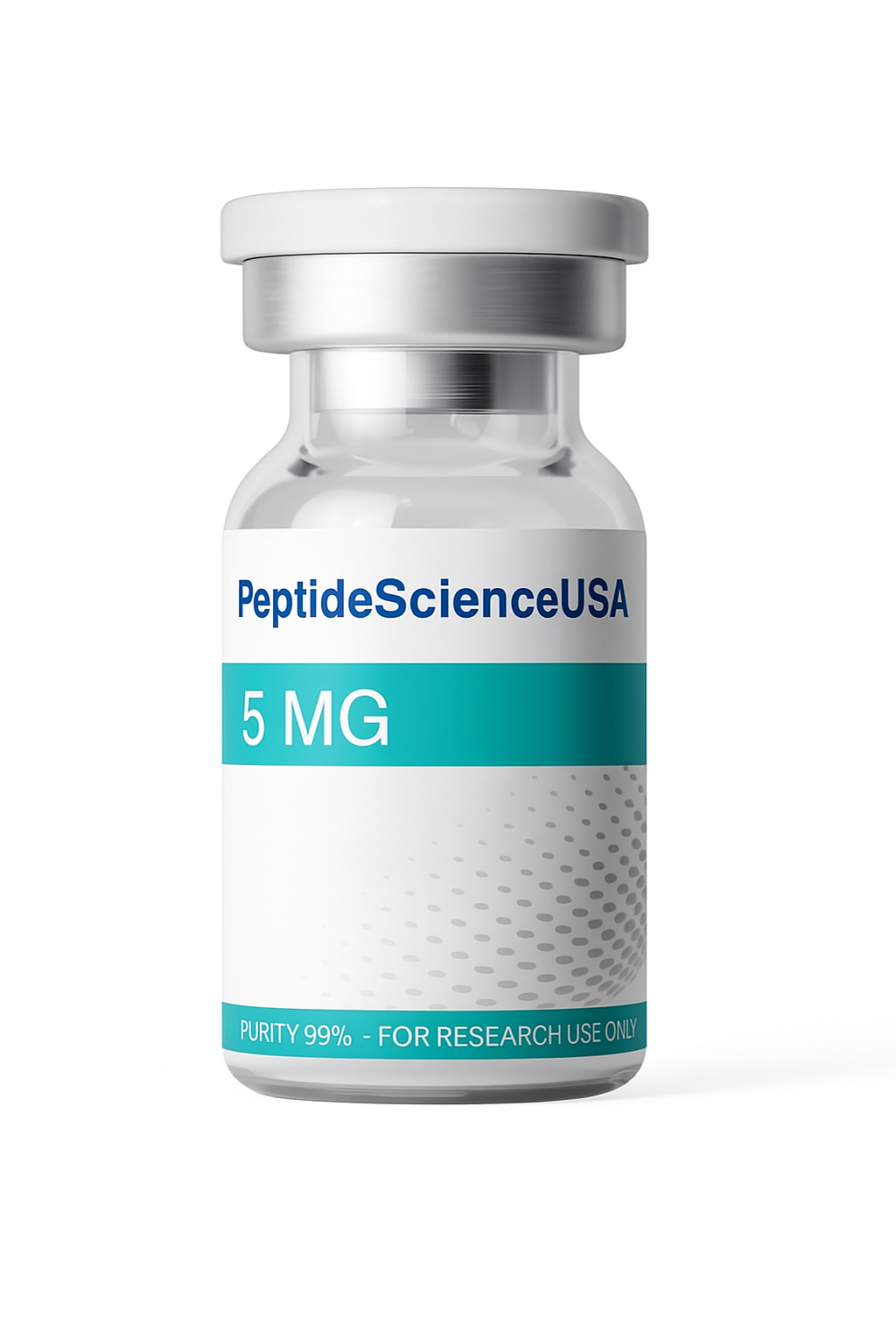
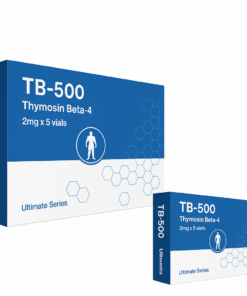
TB-500 5mg — Thymosin Beta-4 Peptide for Accelerated Tissue Repair, Muscle Recovery, Tendon Healing, and Anti-Inflammatory Research
TB-500 5mg is the synthetic analogue of Thymosin Beta-4 (Tβ4) — one of the most ubiquitous and biologically significant intracellular peptides in the human body — specifically representing the active actin-binding sequence Ac-LKKTETQ that drives the majority of Thymosin Beta-4’s powerful tissue repair, anti-inflammatory, and regenerative biological activity. Originally identified as the primary active fragment responsible for thymic hormone activity in tissue healing research, TB-500 has become one of the most extensively researched and widely utilised peptides in sports medicine, veterinary medicine, wound healing science, and regenerative biology. At a dose of 5mg per vial, TB-500 provides a full research-grade supply of this extraordinary repair peptide — sufficient for a complete acute injury treatment cycle based on published preclinical and veterinary research protocols.
What Is TB-500 5mg?
TB-500 is the synthetic peptide corresponding to the amino acid sequence Ac-Leu-Lys-Lys-Thr-Glu-Thr-Gln — a seven amino acid fragment derived from positions 17 to 23 of the full Thymosin Beta-4 protein. Thymosin Beta-4 is a 43 amino acid polypeptide that is one of the most abundant intracellular proteins in virtually all mammalian cells outside red blood cells, with particularly high concentrations in platelets, macrophages, and wound fluid. It was originally isolated from bovine thymus tissue in the 1960s and subsequently identified as the primary regulatory protein controlling the sequestration of actin monomers in cells — a function that places it at the very centre of cellular motility, cytoskeletal organisation, and the tissue repair processes that depend on cell migration.
The TB-500 fragment — specifically the Ac-LKKTETQ sequence — represents the actin-binding domain of the full Thymosin Beta-4 molecule and is responsible for the majority of its tissue repair and anti-inflammatory biological activity. By binding G-actin (monomeric actin) and regulating its polymerisation into F-actin filaments, TB-500 directly controls the cellular machinery that drives cell migration — the fundamental process underlying wound closure, vessel repair, muscle regeneration, and connective tissue healing. This actin-sequestration and cell-migration-promoting activity makes TB-500 unique among repair peptides: rather than acting on a single receptor or growth factor pathway, it modulates the universal cytoskeletal machinery that all cells use for movement and structural organisation. Each vial of TB-500 5mg contains a precisely dosed lyophilized preparation of the synthetic Ac-LKKTETQ heptapeptide, produced under controlled quality
conditions with independent analytical verification of purity, sequence accuracy, and acetylation status.
Mechanism of Action — How TB-500 Drives Tissue Repair and Regeneration
Actin Sequestration and Cell Migration Promotion
The defining molecular mechanism of TB-500 is its high-affinity binding to G-actin — the monomeric, soluble form of actin — through a specific interaction mediated by the LKKTET motif within the peptide sequence. By sequestering G-actin and regulating the dynamics of actin polymerisation, TB-500 modulates the formation of the lamellipodia and filopodia — the actin-rich cellular protrusions — that cells use to migrate across wound surfaces and through extracellular matrix. Enhanced cell migration is the cellular basis of all wound healing: keratinocytes must migrate to close epidermal wounds, endothelial cells must migrate to form new blood vessels, and myoblasts must migrate and fuse to regenerate damaged muscle fibres. TB-500’s actin-regulatory mechanism accelerates all of these cell migration processes simultaneously, making it a uniquely broad-spectrum tissue repair promoter.
Angiogenesis and New Blood Vessel Formation
One of TB-500’s most clinically significant tissue repair mechanisms is its potent promotion of angiogenesis — the formation of new blood vessels from existing vasculature. Adequate vascular supply is the rate-limiting factor in tissue healing: without sufficient blood flow to deliver oxygen, nutrients, and growth factors to healing tissue, repair is slowed regardless of how active other repair mechanisms are. TB-500 stimulates angiogenesis by promoting endothelial cell migration and tube formation — the two cellular processes most directly responsible for new vessel growth. Multiple in vitro and in vivo studies have demonstrated robust angiogenic activity with TB-500 treatment, with research subjects showing accelerated vascular ingrowth into healing wound beds, improved perfusion of ischaemic tissue, and enhanced revascularisation of injured muscle and connective tissue.
Anti-Inflammatory Activity and Cytokine Modulation
Chronic inflammation is one of the primary barriers to tissue healing, particularly in the case of chronic wounds, tendinopathies, and overuse injuries where unresolved inflammatory signalling prevents progression from the inflammatory phase to the proliferative and remodelling phases of healing. TB-500 exerts potent anti-inflammatory effects by reducing the production and activity of pro-inflammatory cytokines — including TNF-α, IL-1β, and IL-6 — while promoting the resolution of acute inflammatory responses through macrophage phenotype switching from pro-inflammatory M1 to anti-inflammatory M2 polarisation. This resolution of chronic inflammation enables healing tissue to progress through the repair cascade rather than remaining trapped in a non-productive inflammatory state.
Extracellular Matrix Remodelling and Collagen Regulation
TB-500 influences the composition and organisation of the extracellular matrix (ECM) — the structural scaffold of connective tissues — by regulating matrix metalloproteinase (MMP) activity, stimulating collagen synthesis in fibroblasts, and promoting the deposition of organised collagen fibres rather than disorganised scar tissue. In tendon and ligament healing research, this ECM-remodelling activity is of particular significance, as the biomechanical properties of healed tendon depend critically on the organisation and cross-linking of newly deposited collagen. TB-500’s ability to promote organised rather than haphazard collagen deposition supports the restoration of near-native tissue architecture and mechanical properties in healed connective tissue.
Key Benefits of TB-500 5mg
1. Accelerated Muscle Repair and Regeneration
TB-500’s promotion of satellite cell activation, myoblast migration, and angiogenesis in damaged muscle tissue produces significantly accelerated skeletal muscle repair following acute injury, overuse, or intensive exercise-induced damage. Research in animal models of muscle injury demonstrates that TB-500 treatment results in faster restoration of muscle architecture, improved fibre cross-sectional area recovery, and enhanced return of contractile function compared to untreated controls. The combination of enhanced myoblast migration, improved vascular supply to healing muscle, and anti-inflammatory activity that prevents secondary damage creates a comprehensive muscle repair environment that no single-mechanism repair agent can replicate.
2. Tendon and Ligament Healing
Tendon and ligament injuries are among the most challenging musculoskeletal conditions to treat because these poorly vascularised connective tissues have inherently slow natural healing rates and frequently heal with mechanically inferior scar tissue rather than native collagen architecture. TB-500 addresses both of these limitations simultaneously: its angiogenic activity improves the vascular supply to healing tendon tissue, and its ECM-remodelling properties promote organised collagen deposition that more closely resembles native tendon structure. Research in models of Achilles tendon injury, rotator cuff damage, and ligament tears demonstrates accelerated healing timelines and improved biomechanical properties of healed tissue with TB-500 treatment.
3. Wound Healing and Skin Repair
TB-500 was among the first peptides to demonstrate clinically significant wound-healing activity, and the full-length Thymosin Beta-4 protein has been investigated in clinical trials for the treatment of chronic wounds including diabetic foot ulcers, pressure ulcers, and venous stasis ulcers. The synthetic TB-500 fragment retains the core wound-healing mechanisms of the full protein: promoting keratinocyte and dermal fibroblast migration across the wound surface, stimulating collagen and hyaluronic acid synthesis in the wound bed, accelerating re-epithelialisation, and improving the maturation of new granulation tissue into organised dermis.
4. Cardiac Protection and Heart Tissue Repair
Thymosin Beta-4 and its TB-500 fragment have been extensively studied in cardiac repair research — an area of investigation that has produced some of the most exciting findings in the peptide’s research history. The heart is one of the body’s organs with the least capacity for self-repair following injury, because adult cardiomyocytes have very limited proliferative capacity. TB-500 promotes cardiac repair through multiple mechanisms: stimulation of cardiac progenitor cell migration into damaged myocardium, promotion of coronary angiogenesis to restore perfusion to ischaemic cardiac tissue, anti-inflammatory activity that limits secondary cardiomyocyte loss, and activation of cardiac stem cells. These properties position TB-500 as a compound of significant interest in myocardial infarction recovery research and chronic heart failure biology.
5. Neural Tissue Repair and Neuroprotection
TB-500’s tissue repair mechanisms extend to the nervous system, where it has demonstrated capacity to promote neural repair and protect neurons from ischaemic and inflammatory damage. Research has shown that TB-500 stimulates oligodendrocyte precursor cell migration and differentiation, which is relevant to remyelination research in conditions such as multiple sclerosis. In models of spinal cord injury and traumatic brain injury, TB-500 treatment has been associated with reduced inflammatory damage, preserved neurological function, and enhanced axonal regeneration — findings with profound implications for neurotrauma and neurodegeneration research.
6. Anti-Fibrotic Activity and Scar Reduction
While TB-500 promotes the collagen synthesis needed for structural tissue repair, it simultaneously exerts anti-fibrotic activity that prevents the excessive and disorganised collagen deposition that leads to scar tissue formation and fibrosis. This balanced pro-healing and anti-fibrotic profile — stimulating repair while preventing over-scarring — is a pharmacologically distinctive property that reflects TB-500’s role as a regulator of the tissue repair process rather than a simple growth stimulator. In research models of liver fibrosis, pulmonary fibrosis, and cardiac fibrosis, TB-500 treatment has demonstrated meaningful anti-fibrotic effects alongside its repair-promoting activity.
TB-500 vs BPC-157 — Two Leading Repair Peptides Compared
TB-500 and BPC-157 are the two most widely researched and discussed tissue repair peptides in the research community. Understanding their distinct mechanisms and complementary profiles helps clarify why many researchers study them in combination:
- Origin — TB-500: Synthetic fragment of endogenous human Thymosin Beta-4 (Ac-LKKTETQ). BPC-157: Synthetic pentadecapeptide derived from a sequence in human gastric juice Body Protection Compound
- Primary Mechanism — TB-500: Actin sequestration, cell migration promotion, angiogenesis, ECM remodelling. BPC-157: Growth hormone receptor modulation, nitric oxide pathway activation, tendon fibroblast upregulation, gut healing
- Strongest Evidence — TB-500: Muscle repair, angiogenesis, cardiac repair, wound healing, neural regeneration. BPC-157: Tendon healing, gut and intestinal repair, systemic organ protection, bone healing
- Anti-Inflammatory — Both peptides exert significant anti-inflammatory activity through complementary but distinct molecular mechanisms
- Systemic vs Local — TB-500: Produces systemic repair effects due to its universal actin-regulatory mechanism. BPC-157: Strong local tissue effects at injection site with systemic activity via NO pathway modulation
- Combination Rationale: TB-500 and BPC-157 act through completely distinct and non-overlapping mechanisms, making them ideally complementary — their combination is the most widely studied repair peptide stack in the research community
Research Dosage and Administration Protocol
TB-500 5mg is provided as a lyophilized powder for subcutaneous or intramuscular injection following reconstitution. The following is based on published veterinary research protocols and established research community data:
- Loading Dose: 4–8mg per week for 4–6 weeks during acute injury or healing research protocols
- Maintenance Dose: 2–6mg per month following loading phase for sustained repair research
- Standard Single Vial Protocol: 5mg twice weekly for the first 4 weeks (loading), then 5mg monthly (maintenance)
- Administration Route: Subcutaneous injection preferred; intramuscular injection also used in published protocols
- Reconstitution: Add 1–2ml bacteriostatic water to lyophilized powder; gently swirl to dissolve — do not shake vigorously
- Injection Site: Subcutaneous injection into abdominal fat, outer thigh, or deltoid region; rotate sites
- Storage: Lyophilized powder at -20°C for up to 24 months; reconstituted solution at 2–8°C, use within 14–21 days
- Stacking: Frequently researched alongside BPC-157 for complementary and synergistic tissue repair effects
Product Specifications
- Peptide Name: TB-500 (Thymosin Beta-4 fragment, Ac-LKKTETQ)
- Full Sequence: Ac-Leu-Lys-Lys-Thr-Glu-Thr-Gln-NH₂
- CAS Number: 77591-33-4
- Molecular Formula: C₃₈H₆₁N₁₉O₁₄
- Molecular Weight: 895.12 g/mol
- Vial Size: 5mg lyophilized powder
- Purity: ≥98% (HPLC and mass spectrometry verified)
- Acetylation: N-terminal acetylation confirmed (Ac-Leu)
- Appearance: White to off-white lyophilized powder
- Solubility: Soluble in bacteriostatic water or sterile saline
- Storage: -20°C lyophilized; 2–8°C reconstituted
- Intended Use: Research and laboratory purposes only
Why Choose Our TB-500 5mg?
TB-500 quality verification requires confirmation of not just purity and sequence, but also the critical N-terminal acetylation — the Ac-Leu modification at the start of the peptide sequence — that is essential for the peptide’s correct biological activity. Non-acetylated TB-500 will not replicate the biological properties of the native Thymosin Beta-4 fragment and represents a significant quality failure that HPLC alone cannot always detect. Our TB-500 5mg is verified by both HPLC purity analysis and mass spectrometry sequence confirmation, with specific verification of the N-terminal acetyl group — ensuring that every vial delivers the correctly structured, biologically authentic Ac-LKKTETQ sequence.
Our Quality Assurance Standards
- ≥98% purity confirmed by independent third-party HPLC chromatography
- Correct Ac-LKKTETQ sequence including N-terminal acetylation verified by mass spectrometry
- Sterile filtration and lyophilization under GMP-aligned controlled manufacturing conditions
- Tamper-evident sealed vials with full batch number, lot traceability, and Certificate of Analysis on request
- Cold-chain compatible packaging maintaining lyophilized peptide integrity throughout international transit
- Discreet, professional worldwide shipping with temperature-protective cold-pack materials
- Expert customer support team with comprehensive knowledge of tissue repair peptide research protocols
Frequently Asked Questions About TB-500 5mg
What is the difference between TB-500 and full-length Thymosin Beta-4?
Thymosin Beta-4 is the complete 43 amino acid endogenous polypeptide, while TB-500 is the synthetic seven amino acid fragment (Ac-LKKTETQ, positions 17–23) that contains the actin-binding domain responsible for the majority of Thymosin Beta-4’s tissue repair and anti-inflammatory biological activity. Full-length Thymosin Beta-4 has a higher molecular weight and is more expensive and technically complex to synthesise at research-grade purity. The TB-500 fragment provides the core active sequence at substantially lower production cost and equivalent or comparable biological activity in tissue repair research applications. The fragment is specifically selected because the LKKTETQ actin-binding sequence is the functional heart of Thymosin Beta-4’s repair-promoting mechanism.
Why is N-terminal acetylation important for TB-500?
The N-terminal acetylation (Ac- prefix) of the leucine residue at the start of the TB-500 sequence is not merely a formulation detail — it is a functionally critical structural feature. The acetyl group on the N-terminus significantly influences the peptide’s three-dimensional conformation, its binding affinity for G-actin, and its resistance to N-terminal exopeptidase degradation in biological systems. Research comparing acetylated and non-acetylated forms of the LKKTETQ sequence confirms that the acetylated form demonstrates substantially superior actin-binding activity and biological potency. This is why independent mass spectrometry confirmation of N-terminal acetylation — not just sequence identity — is a non-negotiable quality requirement for research-grade TB-500.
Can TB-500 be injected locally at the site of injury?
Yes. TB-500 can be administered both systemically — via subcutaneous injection at a site remote from the injury — and locally via injection at or adjacent to the site of tissue damage. Systemic administration is the most commonly used protocol in published research, reflecting TB-500’s capacity to exert systemic tissue repair effects through its universal actin-regulatory mechanism and angiogenic activity. Local injection at the injury site is also used in some research protocols, particularly for localised tendon, muscle, or joint injuries, where direct local peptide concentration may enhance the speed of regional tissue response. Many researchers use a combination approach — systemic subcutaneous injection for broad systemic effects plus local injection at the primary injury site for concentrated local benefit.
Be the first to review “TB 500 5mg”
Related products
Peptide
Peptide
Peptide
Peptide
Peptide
Melanotan Peptides
Peptide
Peptide
Reviews
There are no reviews yet.