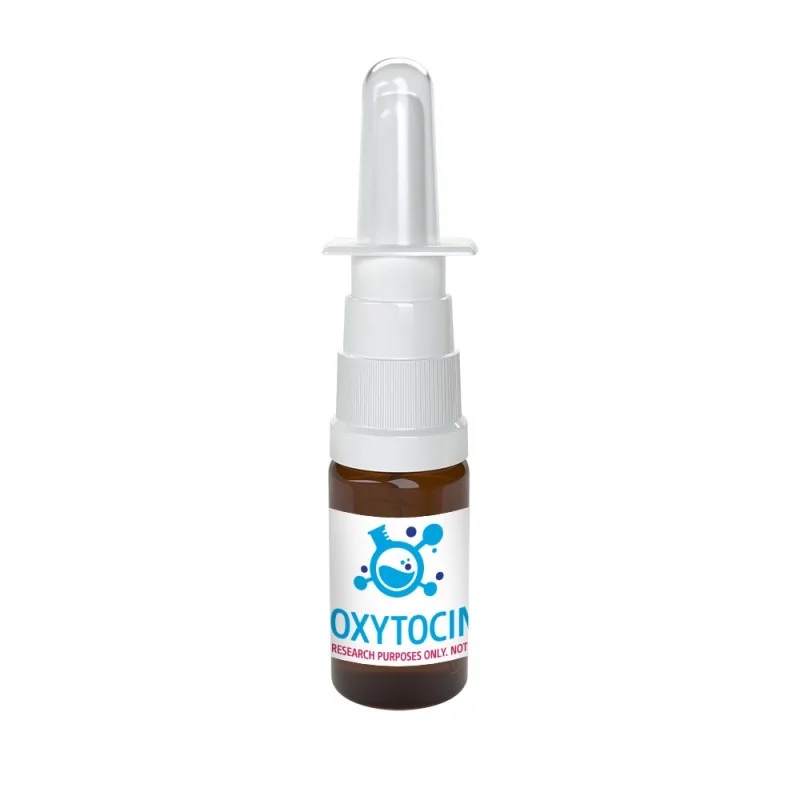

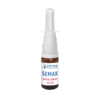
Oxytocin Nasal Spray 10mg — The Love Hormone Peptide for Social Bonding, Trust, Anxiety Relief, and Advanced Neuropsychiatric Research
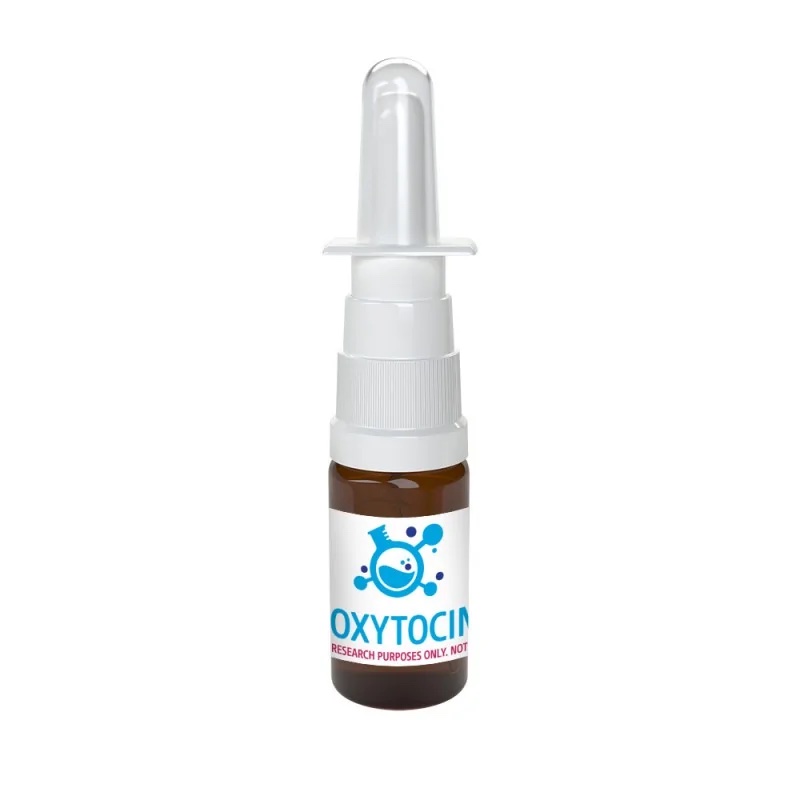
Oxytocin Nasal Spray 10mg delivers the most socially and emotionally influential neuropeptide in human biology directly to the brain through a precision intranasal metered-dose spray device. Naturally produced in the hypothalamus and released by the posterior pituitary gland, oxytocin is the neuropeptide at the heart of human social connection, trust formation, maternal bonding, empathy, and emotional regulation. Often referred to as the love hormone, bonding hormone, or trust molecule, oxytocin orchestrates the neurochemistry of virtually every meaningful human relationship and social interaction. As an intranasal spray, oxytocin bypasses the blood-brain barrier through direct olfactory and trigeminal nerve transport pathways, achieving rapid central nervous system delivery with onset of action within minutes. Oxytocin Nasal Spray 10mg has become one of the most extensively researched neuropeptide delivery systems in contemporary neuropsychiatric science, accumulating a remarkable volume of clinical data across autism spectrum disorder, social anxiety, post-traumatic stress disorder, borderline personality disorder, and interpersonal trust research.
What Is Oxytocin Nasal Spray 10mg?
Oxytocin is a nonapeptide hormone and neuropeptide consisting of nine amino acids — Cys-Tyr-Ile-Gln-Asn-Cys-Pro-Leu-Gly-NH2 — with a disulfide bridge between the two cysteine residues that is essential for its biological activity. It is synthesised by magnocellular neurons in the paraventricular nucleus (PVN) and supraoptic nucleus (SON) of the hypothalamus, packaged into vesicles, and transported down axons to the posterior pituitary gland for systemic release, or released directly within the brain as a neuromodulator from axon collaterals projecting to multiple limbic and cortical structures.
While oxytocin is well known for its peripheral physiological roles in labour induction, milk ejection during lactation, and uterine contraction, its central nervous system actions as a neuromodulator are what drive its extraordinary research value. Central oxytocin acts on oxytocin receptors (OXTRs) distributed throughout the amygdala, hippocampus, nucleus accumbens, ventral tegmental area, prefrontal cortex, and brainstem — brain regions that collectively govern social behaviour, fear processing, reward signalling, emotional memory, and stress response. The intranasal spray format was developed specifically to deliver exogenous oxytocin to these central targets, circumventing the blood-brain barrier that prevents peripherally circulating oxytocin from entering the brain in meaningful quantities.
Each 10mg spray bottle delivers pharmaceutical-grade synthetic oxytocin in a sterile, isotonic nasal solution, formulated to replicate the gold-standard concentration used in clinical research trials — providing consistent, metered-dose delivery of this exceptional neuropeptide for rigorous scientific investigation.
How Intranasal Delivery Delivers Oxytocin Directly to the Brain
The Blood-Brain Barrier Problem for Oxytocin
Oxytocin is a hydrophilic nonapeptide that does not readily cross the blood-brain barrier (BBB) when administered systemically. Intravenous or subcutaneous oxytocin produces high plasma concentrations but negligible increases in cerebrospinal fluid (CSF) oxytocin levels, because the BBB’s tight junctions and active efflux transport systems prevent the peptide from entering the brain in therapeutically relevant quantities. This means that systemic oxytocin administration — while effective for peripheral targets in obstetrics — is not a reliable way to engage the central oxytocin receptors responsible for social, emotional, and neuropsychiatric effects. The intranasal route was developed precisely to solve this fundamental pharmacokinetic limitation.
Olfactory Nerve Transport to the Limbic Brain
When oxytocin is administered intranasally, it contacts the olfactory epithelium in the roof of the nasal cavity — the only location in the body where neurons are directly exposed to the external environment. Oxytocin molecules are absorbed across the olfactory epithelium and taken up into olfactory receptor neuron axons, which transport the peptide via axonal flow directly into the olfactory bulb. From the olfactory bulb, oxytocin distributes rapidly into the limbic system — including the amygdala, hippocampus, and hypothalamus — which are among the most oxytocin-receptor-dense and behaviourally relevant brain structures. This direct axonal transport pathway delivers oxytocin to its central targets within minutes of intranasal administration, bypassing the BBB entirely.
Trigeminal Nerve Pathway and Brainstem Delivery
The trigeminal nerve, which extensively innervates the nasal mucosa, provides a secondary but significant transport pathway that delivers intranasally administered oxytocin to the brainstem, cerebellum, and spinal cord. Together with the olfactory pathway, trigeminal transport ensures that intranasal oxytocin achieves broad brain distribution encompassing both limbic-cortical and brainstem targets. The combined olfactory and trigeminal transport mechanism makes intranasal delivery the most efficient and pharmacologically appropriate route for oxytocin’s central neuromodulatory applications — and the route used in the vast majority of the published clinical research on oxytocin’s social and emotional effects.
Key Benefits and Research Applications of Oxytocin Nasal Spray 10mg
1. Social Bonding and Trust Enhancement
Oxytocin is the primary neurochemical mediator of trust and pro-social behaviour in humans. Landmark research published in Nature by Kosfeld et al. (2005) demonstrated that intranasal oxytocin significantly increased investors’ willingness to extend trust to strangers in an economic trust game — one of the most influential and widely cited findings in behavioural neuroeconomics. Subsequent research has confirmed that intranasal oxytocin enhances trust in social interactions, increases cooperative behaviour, improves the recognition of social cues, and strengthens interpersonal bonding across diverse social contexts. These findings make oxytocin nasal spray a central tool in social neuroscience research, behavioural economics, and human cooperation studies.
2. Autism Spectrum Disorder (ASD) Research
The oxytocin system is one of the most intensively studied neurobiological pathways in autism spectrum disorder research. The social communication deficits and restricted social interest that define ASD have been hypothesised to involve dysfunction in the central oxytocin system — a theory supported by findings of reduced plasma oxytocin levels and altered OXTR gene expression in ASD populations. Multiple clinical trials have investigated intranasal oxytocin as a potential social communication intervention in ASD, with studies reporting improvements in social cognition, emotion recognition, eye contact, and social reciprocity following oxytocin administration. Oxytocin nasal spray is now considered one of the primary investigational tools in ASD neuropsychiatric research, with multiple Phase 2 and Phase 3 trials ongoing internationally.
3. Anxiety Reduction and Fear Extinction
Oxytocin exerts potent anxiolytic effects through its actions on the amygdala — the brain’s primary fear-processing centre. Oxytocin receptors in the basolateral and central amygdala mediate fear signal attenuation, reducing the amygdala’s reactivity to threatening stimuli and dampening the physiological anxiety response. Research has demonstrated that intranasal oxytocin reduces amygdala activation to fearful and threatening faces in fMRI studies, decreases self-reported anxiety in socially anxious individuals, facilitates extinction learning in fear conditioning paradigms, and reduces cortisol stress responses to social evaluative threats. These properties make oxytocin nasal spray a critical research tool in anxiety disorder, PTSD, and phobia research.
4. Post-Traumatic Stress Disorder (PTSD) Research
PTSD is characterised by hyperactive amygdala fear responses, impaired fear extinction, disrupted social behaviour, and dysregulated stress reactivity — neurobiological abnormalities that map directly onto the brain systems modulated by oxytocin. Clinical research has investigated intranasal oxytocin as an adjunct to trauma-focused psychotherapy in PTSD, based on evidence that oxytocin facilitates fear extinction, reduces trauma-related intrusions, improves emotional regulation, and supports the restoration of social trust that is frequently damaged in trauma survivors. These investigations position oxytocin nasal spray as a potentially transformative pharmacological adjunct in PTSD treatment research.
5. Social Anxiety and Interpersonal Communication Research
Social anxiety disorder (SAD) involves hyperactivation of the social threat detection system, excessive fear of negative evaluation, and avoidance of social interaction. Oxytocin’s amygdala-dampening and pro-social signalling effects directly counter these neurobiological substrates. Research has shown that intranasal oxytocin reduces self-reported social anxiety, improves performance on social tasks, increases the time spent making eye contact, enhances recognition of positive facial emotions, and reduces the physiological stress response to social performance tasks. This body of evidence establishes oxytocin nasal spray as a valuable research instrument in social anxiety, interpersonal communication, and social neuroscience research programmes.
6. Empathy, Emotion Recognition, and Prosocial Behaviour
Oxytocin enhances the accuracy of emotion recognition from facial expressions, vocal tone, and body language — the social perceptual skills that form the foundation of empathic understanding and effective interpersonal communication. Multiple fMRI studies have demonstrated that intranasal oxytocin increases activation of brain regions involved in mentalising and theory of mind, including the superior temporal sulcus, temporoparietal junction, and medial prefrontal cortex. In behavioural studies, oxytocin-treated participants demonstrate enhanced empathic accuracy, greater charitable donation, increased altruistic behaviour, and stronger in-group bonding — a constellation of prosocial effects that makes oxytocin nasal spray an indispensable tool in social cognition and prosocial behaviour research.
7. Stress Regulation, HPA Axis Modulation, and Emotional Resilience
Oxytocin is a potent modulator of the hypothalamic-pituitary-adrenal (HPA) axis — the central stress response system. Central oxytocin receptor activation suppresses corticotropin-releasing hormone (CRH) release from the hypothalamus, reducing ACTH stimulation of the adrenal cortex and blunting cortisol output in response to psychological stressors. This HPA-dampening effect, combined with oxytocin’s direct anxiolytic amygdala action, creates a comprehensive stress-buffering effect that reduces both the psychological experience of stress and its physiological manifestations. Research consistently demonstrates that intranasal oxytocin reduces salivary cortisol levels following social stressors, attenuates heart rate responses to stress, and improves subjective emotional resilience — findings with profound implications for stress medicine, HPA axis research, and burnout prevention studies.
Clinical and Preclinical Research Applications
Oxytocin Nasal Spray 10mg is actively investigated across the following research domains:
- Autism spectrum disorder — social communication and emotional recognition intervention studies
- Post-traumatic stress disorder — fear extinction facilitation and trauma-focused psychotherapy adjunct research
- Social anxiety disorder — amygdala reactivity reduction and social performance enhancement
- Borderline personality disorder — emotional dysregulation and interpersonal function research
- Schizophrenia — social cognition and theory of mind deficit research
- Maternal bonding and postpartum depression — mother-infant attachment neurobiology
- Behavioural economics and decision-making — trust, cooperation, and altruism studies
- Pain modulation research — spinal and central oxytocin receptor analgesic mechanisms
- Eating disorders — reward and social-emotional processing research
- Addiction and substance use — stress-induced craving and social reward system research
Research Dosage and Administration Protocol
Oxytocin Nasal Spray 10mg is administered intranasally using the precision metered-dose pump. Dosage parameters are based on published clinical research protocols:
- Standard Research Dose: 24 IU (International Units) per administration — the most widely used dose in published clinical trials, corresponding to 4 actuations (one per nostril alternating) of a 6 IU per actuation formulation
- Alternative Doses: 8 IU, 16 IU, and 40 IU doses have been used in published research; dose-response relationships vary by outcome measure and research context
- Timing: Administered 30–45 minutes before the experimental task, social interaction, or measurement window — consistent with the onset kinetics of nose-to-brain transport
-
- Frequency: Single dose per session in most published research; daily dosing protocols used in ASD and PTSD studies of 4–8 week durations
- Administration Technique: One actuation per nostril, alternating, with 30-second intervals; head tilted slightly back during administration
- Storage: Refrigerate at 2–8°C; protect from light; do not freeze; use within 30 days of opening
- Compatibility: Research protocols commonly combine oxytocin with psychosocial interventions, cognitive tasks, or neuroimaging (fMRI) for mechanistic insight studies
Product Specifications
- Peptide Name: Oxytocin (synthetic)
- Sequence: Cys-Tyr-Ile-Gln-Asn-Cys-Pro-Leu-Gly-NH₂ (disulfide bridge Cys1–Cys6)
- CAS Number: 50-56-6
- Molecular Formula: C₄₃HN₁₂O₁₂S₂
- Molecular Weight: 1007.19 g/mol
- Total Content: 10mg per bottle
- Formulation: Sterile isotonic aqueous nasal spray solution
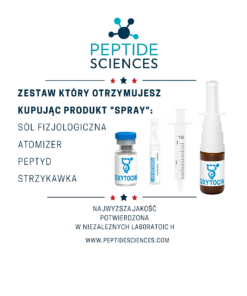
- Delivery Device: Metered-dose nasal pump spray
- Purity: ≥98% (HPLC and mass spectrometry verified)
- Appearance: Clear, colourless to pale-yellow sterile solution
- Storage: 2–8°C; protect from light; do not freeze
- Intended Use: Research and laboratory purposes only
Why Choose Our Oxytocin Nasal Spray 10mg?
Our Oxytocin Nasal Spray 10mg is formulated using pharmaceutical-grade synthetic oxytocin with purity of 98% or above, verified by independent HPLC and mass spectrometry analysis. The formulation is prepared in a sterile, isotonic aqueous matrix with careful pH adjustment for nasal mucosal biocompatibility, and the metered-dose pump is calibrated to deliver consistent, reproducible actuations throughout the bottle’s lifetime — ensuring that every dose in your research protocol delivers the same volume and concentration of active peptide.
Our Formulation and Quality Standards
- ≥98% oxytocin purity verified by independent third-party HPLC analysis
- Correct nonapeptide sequence with intact disulfide bridge confirmed by mass spectrometry
- Sterile aqueous formulation with isotonic pH-balanced nasal compatibility
- Consistent metered-dose pump delivery verified for per-actuation volume uniformity
- Sterility-tested final product with tamper-evident sealed packaging and full batch traceability
- Cold-chain shipping with temperature-protective insulated packaging
- Discreet, professional worldwide delivery with expert customer support
Frequently Asked Questions About Oxytocin Nasal Spray 10mg
Does intranasal oxytocin actually reach the brain?
Yes. Multiple independent research groups have confirmed that intranasally administered oxytocin increases cerebrospinal fluid (CSF) oxytocin concentrations, demonstrating genuine central nervous system delivery. A landmark study by Striepens et al. using intranasal oxytocin with subsequent CSF sampling showed statistically significant increases in CSF oxytocin levels following intranasal administration — levels not achieved with systemic injection. Functional neuroimaging studies provide converging evidence: intranasal oxytocin produces measurable reductions in amygdala BOLD signal in fMRI studies within 45 to 60 minutes of administration, confirming pharmacodynamic engagement of central oxytocin receptors at the neuroanatomical targets expected from the proposed nose-to-brain transport mechanism.
What is the optimal timing for intranasal oxytocin before a research task?
The standard timing protocol used across the majority of published clinical research is administration 45 minutes before the experimental task, social interaction, or outcome measurement. This 45-minute window allows time for nose-to-brain transport, central distribution, and receptor engagement to reach peak pharmacodynamic effect. Some researchers use a 30-minute pre-task window for outcome measures requiring rapid onset effects, and others use 60 minutes for tasks requiring sustained oxytocin receptor engagement. The 45-minute window represents the consensus best practice derived from the published literature and is recommended as the default timing for novel research protocols using oxytocin nasal spray.
Is oxytocin nasal spray effective for both male and female research subjects?
Yes, though important sex differences in oxytocin pharmacodynamics have been documented in the research literature. The core anxiolytic, trust-enhancing, and social cognition effects of intranasal oxytocin have been replicated in both male and female research subjects. However, some studies report sex-specific effects in the magnitude or direction of response — for example, oxytocin may enhance in-group trust more robustly in males, while producing stronger mother-infant bonding effects in females. These sex differences are an important variable in research design and are increasingly investigated as a primary research question rather than a confound. Researchers should include sex as a variable in experimental design and analysis when using oxytocin nasal spray in mixed-sex or sex-stratified study populations.
Be the first to review “Oxytocin spray 10mg”
Related products
Peptide
Peptide
Peptide
Peptide
Peptide
Peptide
Peptide
Peptide
Reviews
There are no reviews yet.