
Uncategorized
What is Follistatin?
What is Follistatin?
Follistatin is a protein that acts as a natural antagonist to myostatin, which is a protein that regulates muscle growth and development. When follistatin binds to myostatin, it prevents it from carrying out its normal functions, thus increasing muscle growth.
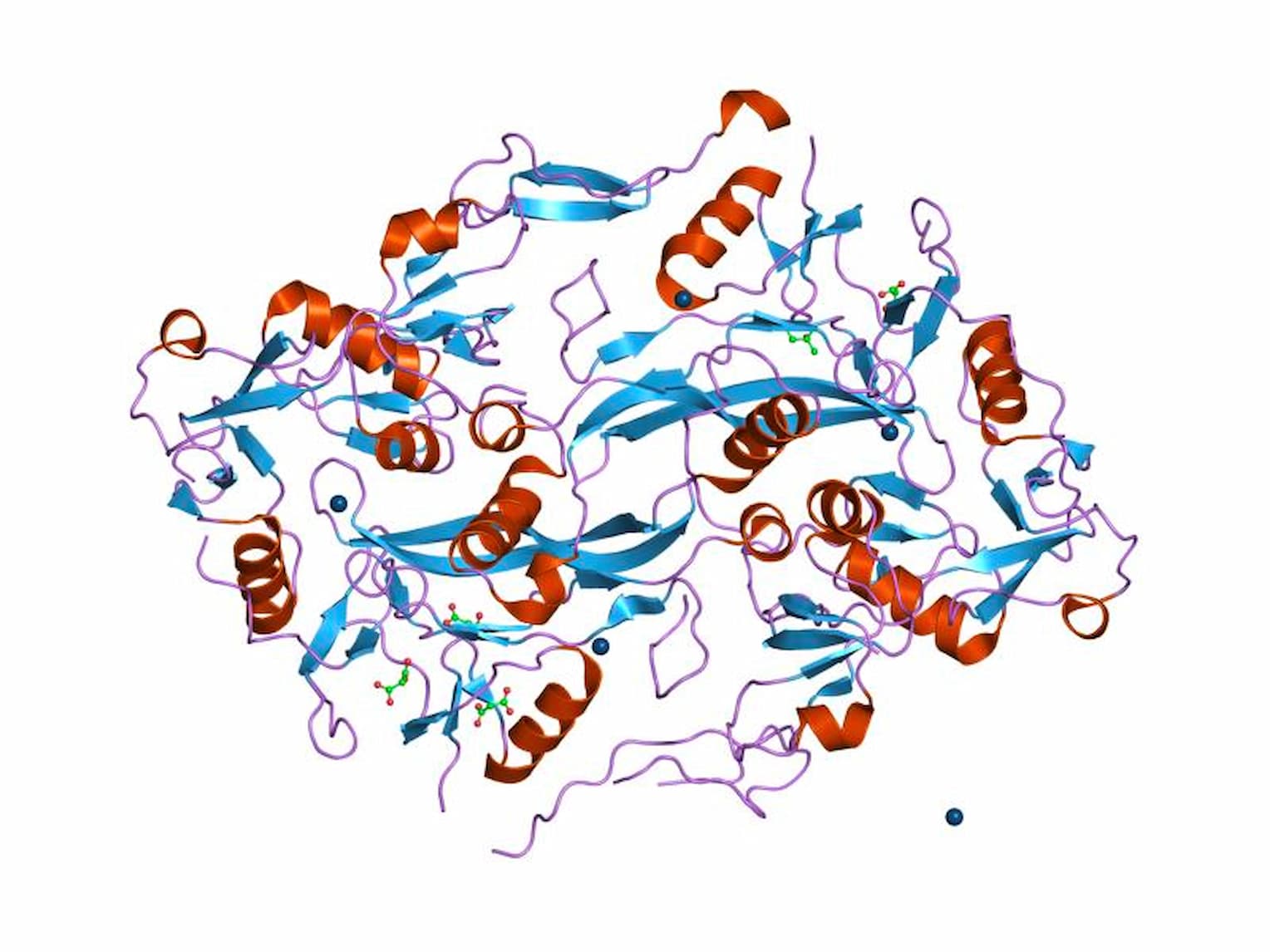
Follistatin is also an activator of Akt, a protein kinase that helps regulate cell growth and survival, which results in muscle hypertrophy and strength. In addition to its muscle-building properties, follistatin has been shown to have other potential benefits, such as improving bone density and reducing inflammation. There has also been a large focus on the biochemical characteristics of follistatin and its interaction with activin. These proteins seem to have an emerging role as potent tissue regulators in the gonad, pituitary gland, pregnancy membranes, vasculature, and liver. Most notably, follistatin therapy is being explored as a potential treatment for a wide range of diseases, including muscular dystrophy, osteoporosis, and cancer. It’s also being investigated to improve muscle mass and strength in healthy people, including athletes and bodybuilders.
More recently, follistatin has been studied for its use in gene therapy. Gene therapy is a method for treating genetic diseases by introducing a healthy copy of a gene into the body using a vector, such as a virus. It’s being researched as a possible way to deliver follistatin to treat various diseases. The idea behind gene therapy with follistatin is that by introducing the follistatin gene into a patient’s cells, it will increase the amount of protein produced, leading to muscle hypertrophy and strength improvement.
Gene therapy for follistatin is still in the research stage, and many questions need to be answered before it can be used in clinical treatments. One of the main challenges in gene therapy is the safety and efficacy of the vector used to deliver the therapeutic gene.
Overall, research into follistatin and its potential uses in gene therapy is an active and exciting area of study with many potential benefits. It has the potential to improve the quality of life for patients with a wide range of diseases, and it’s possible that it will be used to help healthy people increase muscle mass and strength in the future.
Based on the literature, Follistatin has been shown to:
• Increase muscle mass
• Increase bone density
• Increase cardiovascular fitness
• Improve cholesterol
• Reduce inflammation in all body tissues
• Suppress metastasis
• Increase general wellbeing
• Increase brown fat proportion
• Improve Insulin sufficiency
• Improve Insulin sensitivity
•Improve skin and hair quality
Research Example 1:
Regulation of Muscle Mass by Follistatin and Activins
Myostatin is a TGF-β family member that normally acts to limit skeletal muscle mass. Follistatin is a myostatin-binding protein that can inhibit myostatin activity in vitro and promote muscle growth in vivo. Mice homozygous for a mutation in the Fst gene have been shown to die immediately after birth but have a reduced amount of muscle tissue, consistent with a role for follistatin in regulating myogenesis. Here, we show that Fst mutant mice exhibit haploinsufficiency, with muscles of Fst heterozygotes having significantly reduced size, a shift toward more oxidative fiber types, an impairment of muscle remodeling in response to cardiotoxin-induced injury, and a reduction in tetanic force production yet a maintenance of specific force. We show that the effect of heterozygous loss of Fst is at least partially retained in a Mstn-null background, implying that follistatin normally acts to inhibit other TGF-β family members in addition to myostatin to regulate muscle size. Finally, we present genetic evidence suggesting that activin A may be one of the ligands that is regulated by follistatin and that functions with myostatin to limit muscle mass. These findings potentially have important implications with respect to the development of therapeutics targeting this signaling pathway to preserve muscle mass and prevent muscle atrophy in a variety of inherited and acquired forms of muscle degeneration.
Research Example 2:
Follistatin as a potent regulator of bone metabolism
Follistatin is a monomeric glycoprotein, distributed in a wide range of tissues. Recent work has demonstrated that this protein is a pluripotential molecule that has no structural similarity but is functionally associated with members of the transforming growth factor (TGF)-β superfamily, which indicates its wide range of action. Members of the TGF-β superfamily, especially activins and bone morphogenetic proteins are involved in bone metabolism. They play an important role in bone physiology, influencing bone growth, turnover, bone formation and cartilage induction. As follistatin is the antagonist of the TGF-β superfamily members, it plays an important role in bone metabolism and development.
Research Example 3:
Follistatin Gene Therapy Improves Ambulation in Becker Muscular Dystrophy
Follistatin is a ubiquitous secretory pro-peptide that functions as a potent inhibitor of the myostatin pathway, resulting in an increase in skeletal muscle mass. Its ability to interact with the pituitary activin-inhibin axis and suppress the secretion of follicle-stimulating hormone (FSH) called for caution in its clinical applicability. This limitation was circumvented using one of the alternatively spliced follistatin variants, FS344, undergoing post-translational modification to FS315. This follistatin isoform is serum-based and has a 10-fold lower affinity to activin compared to FS288. Preclinical studies of intramuscular delivery of the follistatin gene demonstrated safety and efficacy in enhancing muscle mass. We herein review the evidence supporting the utility of follistatin as a genetic enhancer to improve cellular performance. In addition, we shed light on the results of the first clinical gene transfer trial using the FS344 isoform of follistatin in subjects with Becker muscular dystrophy as well as the future directions for clinical gene therapy trials using follistatin.
Research Example 4:
Gene therapy for muscular dystrophy: lessons learned and path forward
Our Translational Gene Therapy Center has used small molecules for exon skipping and mutation suppression and gene transfer to replace or provide surrogate genes as tools for molecular-based approaches for the treatment of muscular dystrophies. Exon skipping is targeted at the pre-mRNA level allowing one or more exons to be omitted to restore the reading frame. In Duchenne Muscular Dystrophy (DMD), clinical trials have been performed with two different oligomers, a 2’O-methyl-ribo-oligonucleoside-phosphorothioate (2’OMe) and a phosphorodiamidate morpholino (PMO). Both have demonstrated early evidence of efficacy. A second molecular approach involves suppression of stop codons to promote readthrough of the DMD gene. We have been able to establish proof of principle for mutation suppression using the aminoglycoside, gentamicin. A safer, orally administered, alternative agent referred to as Ataluren (PTC124) has been used in clinical trials and is currently under consideration for approval by the FDA. Using a gene therapy approach, we have completed two trials and have initiated a third. For DMD, we used a mini-dystrophin transferred in adeno-associated virus (AAV). In this trial an immune response was seen directed against transgene product, a quite unexpected outcome that will help guide further studies. For limb girdle muscular dystrophy 2D (alpha-sarcoglycan deficiency), the transgene was again transferred using AAV but in this study, a muscle specific creatine kinase promoter-controlled gene expression that persisted for six months. A third gene therapy trial has been initiated with transfer of the follistatin gene in AAV directly to the quadriceps muscle. Two diseases with selective quadriceps muscle weakness are undergoing gene transfer including sporadic inclusion body myositis (sIBM) and Becker muscular dystrophy (BMD). Increasing the size and strength of the muscle is the goal of this study. Most importantly, no adverse events have been encountered in any of these clinical trials
Summary/Takeaway
In summary, follistatin is a safe and potent inhibitor of this pathway with strong potential for broad applicability that can be extended to other muscle diseases. In addition, inhibition of the myostatin pathway remains a promising strategy in gene therapy for patients with muscular dystrophy and other disease types. Careful selection of targeted muscle groups at earlier stages of pathology may lead to the enhancing effects of follistatin on muscle mass and strength. The fundamental role of follistatin in augmenting myofiber growth supports its potential use in conjunction with other disease-specific gene replacement therapies. It should also be noted that preclinical studies in Pompe mice show that follistatin could be used as an adjuvant therapy to alpha-glucosidase deficiency. It is an extremely versatile product which looks very promising for several therapeutics in the future.
References:
Products available for research use only: