Pal-GHK 200mg (Palmitoyl Tripeptide-1) — The Gold-Standard Cosmetic Peptide for Collagen Synthesis, Skin Firming, Wrinkle Reduction, and Wound Healing Research
Pal-GHK 200mg, commercially known as Palmitoyl Tripeptide-1 and widely recognised under the brand name Matrixyl, represents one of the most scientifically validated, extensively researched, and broadly adopted active peptide ingredients in advanced cosmetic science and dermatological research. A palmitoylated derivative of the naturally occurring copper-binding tripeptide GHK (Glycine-Histidine-Lysine) — itself one of the most biologically active peptides found in human plasma, saliva, and urine — Pal-GHK combines the potent collagen-stimulating and skin-remodelling biological activity of the GHK sequence with the lipophilicity conferred by the palmitoyl fatty acid chain, enabling efficient penetration through the lipid-rich stratum corneum barrier and delivery of the active peptide to the viable dermis where fibroblasts and extracellular matrix remodelling enzymes reside. At 200mg per unit, this research-grade Pal-GHK provides a substantial, high-content supply of this exceptional dermatological peptide for formulation research, cosmetic science, and anti-aging skin biology investigation.
What Is Pal-GHK 200mg (Palmitoyl Tripeptide-1)?
GHK — the tripeptide glycyl-L-histidyl-L-lysine — is a naturally occurring peptide first isolated from human plasma albumin in 1973 by Dr. Loren Pickart, who identified it as a plasma factor that stimulated liver tissue regeneration in older organisms when exposed to plasma from younger subjects. This extraordinary finding initiated decades of research into GHK’s biological activities, revealing it to be one of the most multifunctional small peptides in human biology — capable of stimulating collagen and glycosaminoglycan synthesis, activating antioxidant and anti-inflammatory gene expression, promoting wound healing and tissue repair, and even modulating gene expression patterns in ways that reverse some molecular hallmarks of aging.
Palmitoyl Tripeptide-1 (Pal-GHK) is produced by conjugating the GHK tripeptide to a palmitoyl (C16 fatty acid) chain through an amide bond at the N-terminus of the glycine residue. This palmitoylation serves two critical pharmacological purposes: it dramatically increases the lipophilicity of the otherwise hydrophilic peptide, enabling it to partition into and penetrate through the lipid bilayers of the stratum corneum; and it increases the metabolic stability of the peptide against proteolytic degradation by skin enzymes. The net result is a cosmetically deliverable form of GHK that achieves dermal concentrations sufficient to engage the biological pathways responsible for collagen synthesis, matrix metalloproteinase regulation, and skin structural remodelling. The name Matrixyl — under which Pal-GHK is commercially recognised in the cosmetic industry — was introduced by Sederma SA (now part of Croda), the French cosmetic ingredient company that developed and patented the palmitoylated GHK formulation and conducted the pivotal clinical and in vitro studies that established its efficacy as a cosmetic anti-aging active ingredient.
Mechanism of Action — How Pal-GHK Rebuilds Skin at the Molecular Level
Fibroblast Activation and Collagen Stimulation
The primary and most commercially significant mechanism of Pal-GHK is its ability to activate dermal fibroblasts — the cells responsible for synthesising the structural proteins of the dermis — and stimulate the production of the three most important components of the extracellular matrix: Type I collagen, Type III collagen, and elastin. Type I collagen is the most abundant structural protein in the dermis, providing the tensile strength and firmness that gives young skin its taut, resilient character. Type III collagen — sometimes called reticular collagen — provides flexibility and is particularly important in wound healing and new tissue formation. Elastin enables the skin to return to its original shape after deformation. With aging, the synthesis of all three proteins declines dramatically while their enzymatic degradation accelerates, producing the characteristic thinning, sagging, and wrinkling of aged skin. Pal-GHK directly reverses this imbalance by stimulating fibroblast collagen and elastin gene expression and protein synthesis.
Matrix Metalloproteinase Regulation and ECM Remodelling
Pal-GHK’s biological activity extends beyond simple collagen stimulation to encompass the sophisticated regulation of the extracellular matrix remodelling enzyme system. Matrix metalloproteinases (MMPs) are the zinc-dependent endopeptidases responsible for breaking down damaged and disorganised collagen and other ECM components — a process that is necessary for healthy tissue remodelling but becomes dysregulated in aged and photodamaged skin. Pal-GHK upregulates the expression of tissue inhibitors of metalloproteinases (TIMPs) — particularly TIMP-1 and TIMP-2 — which control MMP activity and prevent excessive degradation of newly synthesised collagen. Simultaneously, Pal-GHK stimulates the production of new, organised collagen to replace the damaged matrix being cleared. This coordinated stimulation of synthesis and regulation of degradation produces net ECM accumulation and architectural improvement rather than the imbalanced degradation that characterises photoaged skin.
Glycosaminoglycan and Hyaluronic Acid Synthesis
In addition to its effects on fibrous structural proteins, Pal-GHK stimulates fibroblast synthesis of glycosaminoglycans (GAGs) — the highly hydrophilic polysaccharide chains that form the ground substance of the dermis and are responsible for the skin’s capacity to retain water and maintain turgor. Hyaluronic acid, dermatan sulphate, and chondroitin sulphate are all upregulated by Pal-GHK treatment in fibroblast culture studies. The resulting increase in dermal GAG content improves skin hydration, plumpness, and the viscoelastic properties of the dermis — contributing to the reduction in fine lines and improved skin texture that are among Pal-GHK’s most visible cosmetic benefits.
Antioxidant Gene Expression and Cellular Protection
Beyond its structural ECM effects, Pal-GHK has been shown to modulate the expression of antioxidant and cytoprotective genes in skin cells. Research by Dr. Pickart and colleagues using gene expression analysis demonstrated that GHK modulates the expression of over 4,000 human genes — a scale of genomic influence that is extraordinary for a simple tripeptide. Among the most consistent gene expression effects is the upregulation of antioxidant enzymes including superoxide dismutase, catalase, and glutathione peroxidase, alongside the downregulation of pro-inflammatory and pro-apoptotic gene expression. This broad genomic activity positions Pal-GHK not merely as a collagen stimulator but as a comprehensive biological resetter capable of shifting aged cellular gene expression profiles toward patterns more characteristic of younger, healthier skin.
Key Benefits of Pal-GHK 200mg (Palmitoyl Tripeptide-1)
1. Clinically Proven Wrinkle Reduction and Skin Firming
Pal-GHK’s most extensively documented cosmetic benefit is its measurable reduction of facial wrinkles and improvement of skin firmness in controlled clinical studies. A landmark split-face clinical study published in the International Journal of Cosmetic Science demonstrated that topical Pal-GHK produced statistically significant reductions in wrinkle depth, wrinkle volume, and wrinkle density compared to placebo after 12 weeks of twice-daily application — with improvements visible from week 4 onward. Skin firmness and density measurements using cutometry confirmed biomechanical improvement of the dermis, reflecting the underlying increase in collagen content and organisation produced by Pal-GHK’s fibroblast-activating mechanism.
2. Collagen I, III, and Elastin Upregulation
In vitro studies using human dermal fibroblast cultures have consistently demonstrated that Pal-GHK at concentrations as low as 1 to 10 micromolar produces significant, dose-dependent increases in the synthesis and secretion of Type I collagen, Type III collagen, and elastin. These three proteins form the structural scaffold of the dermis and their combined restoration produces the multi-dimensional improvements in skin firmness, elasticity, and plumpness that clinical studies consistently report with Pal-GHK treatment. The simultaneous upregulation of all three proteins distinguishes Pal-GHK from retinoids, which primarily stimulate Type I collagen, and from growth factors that may disproportionately stimulate collagen III without equivalent elastin restoration.
3. Wound Healing and Skin Repair Acceleration
The GHK sequence at the core of Pal-GHK has been extensively studied for wound healing properties that predate its cosmetic applications. GHK promotes wound healing through multiple complementary mechanisms: stimulation of keratinocyte migration and proliferation for re-epithelialisation, enhancement of macrophage chemotaxis for immune-mediated wound debridement, promotion of angiogenesis for vascular supply to the healing wound bed, and stimulation of fibroblast contraction of the wound matrix. These wound-healing mechanisms translate cosmetically into accelerated recovery from skin trauma, improved healing of post-inflammatory hyperpigmentation, and enhanced repair of photodamaged skin — making Pal-GHK highly valuable in post-procedure and active skin repair formulation research.
4. Hyperpigmentation Reduction and Even Skin Tone
GHK-related peptides exert melanostatic effects through their interaction with the copper-binding and melanin synthesis regulatory pathways in melanocytes. Research has demonstrated that the GHK sequence can modulate tyrosinase activity — the rate-limiting enzyme in melanin synthesis — and influence the inflammatory signalling pathways that trigger post-inflammatory hyperpigmentation following UV exposure or skin trauma. In formulation research, Pal-GHK is increasingly combined with other brightening actives to provide a multi-mechanism approach to pigmentation correction that addresses both the melanin synthesis pathway and the dermal structural framework that influences light scattering and perceived skin brightness.
5. Anti-Inflammatory and Skin Sensitivity Reduction
GHK has long been recognised as a potent anti-inflammatory peptide, with documented inhibitory effects on NF-κB activation — the master transcriptional regulator of inflammatory cytokine production — and direct anti-inflammatory activity mediated through TNF-α suppression and prostaglandin synthesis inhibition. In skin biology, these anti-inflammatory properties translate into reduced erythema, decreased skin reactivity and sensitivity, and protection of skin barrier function from inflammatory insults including UV radiation, pollution, and chemical irritants. For formulation researchers developing products for sensitive, reactive, or rosacea-prone skin, the anti-inflammatory dimension of Pal-GHK provides compelling research applications alongside its structural anti-aging benefits.
6. Hair Follicle Stimulation and Scalp Research Applications
A compelling and increasingly researched dimension of GHK biology is its activity in hair follicle physiology. GHK has been identified as a stimulator of hair follicle keratinocyte proliferation, an activator of follicle regeneration signals, and a promoter of the transition from telogen (resting) to anagen (active growth) phase in hair follicle cycling. The palmitoylated form Pal-GHK — with its enhanced lipid membrane penetration — is of particular interest for scalp application research, where deeper delivery into the lipid-rich follicular environment is required to engage follicle-resident cells. This hair biology activity extends Pal-GHK’s research applications beyond facial anti-aging into scalp health, hair thinning, and follicle regeneration research.
Pal-GHK vs GHK-Cu vs Matrixyl 3000 — Understanding the Peptide Landscape
The GHK peptide family is represented by several related but distinct compounds in cosmetic and research applications. Clarifying these distinctions is essential for accurate formulation research:
- Pal-GHK (Palmitoyl Tripeptide-1 / Matrixyl): The palmitoylated GHK tripeptide without copper. Primary activity: collagen I, III, and elastin stimulation, TIMP upregulation, wound healing. The original Matrixyl compound. This product.
- GHK-Cu (Copper Peptide): The GHK tripeptide complexed with copper(II) ion. Primary activity: wound healing, anti-inflammatory, antioxidant, hair follicle stimulation. The copper complex adds metalloenzyme-activating and superoxide dismutase-mimetic activity distinct from the palmitoylated form
- Matrixyl 3000 (Pal-GHK + Pal-GQPR): A commercial blend combining Palmitoyl Tripeptide-1 (Pal-GHK) with Palmitoyl Tripeptide-3 (Pal-GQPR / Palmitoyl Tripeptide-3). The combination targets both the
- collagen synthesis pathway (Pal-GHK) and the TGF-β pathway (Pal-GQPR) for synergistic anti-aging activity
- Matrixyl Synthe’6 (Pal-GHK + Pal-KTTKS + others): Later generation Sederma formulations adding further peptide actives to broaden the range of ECM components stimulated
- Research Application: Pure Pal-GHK 200mg allows researchers to isolate the specific biological activity of the Palmitoyl Tripeptide-1 sequence without the confounding variables introduced by combination commercial blends
Formulation and Application Research Guidelines
Optimal Concentration Range for Formulation Research
Pal-GHK demonstrates biological activity at very low concentrations — in vitro fibroblast stimulation is measurable at concentrations as low as 1 to 10 micromolar (approximately 0.001 to 0.01% w/v). The concentration range used in published clinical studies and commercial cosmetic formulations is typically 1 to 8 parts per million (ppm) of the active peptide, corresponding to approximately 0.0001% to 0.0008% by weight in the finished formulation. These ultra-low effective concentrations mean that 200mg of Pal-GHK provides sufficient active ingredient for the formulation of hundreds of research samples at clinically relevant concentrations.
Formulation Compatibility and Stability
Pal-GHK is a water-soluble peptide at the concentrations used in cosmetic formulation, dissolving readily in aqueous phases at room temperature. It demonstrates good stability across the pH range of 4.0 to 7.0 — encompassing the optimal range for most skin-care formulations — with best stability at slightly acidic pH values consistent with the skin’s natural acid mantle. Pal-GHK is compatible with most common cosmetic ingredients including humectants, emollients, surfactants at low concentrations, and other peptide actives. It is sensitive to high-temperature processing and should be incorporated into formulations at temperatures below 40°C. Stability is enhanced by the inclusion of chelating agents and antioxidants to protect against oxidative degradation.
Product Specifications
- INCI Name: Palmitoyl Tripeptide-1
- Common Names: Pal-GHK, Matrixyl, Palmitoyl Oligopeptide
- Peptide Sequence: Palmitoyl-Gly-His-Lys (C16-GHK)
- CAS Number: 147732-56-7
- Molecular Formula: C₂₉H₅₁N₇O₇S₀ (as free acid)
- Molecular Weight: 578.76 g/mol
- Total Content: 200mg per unit
- Appearance: White to off-white lyophilized powder
- Solubility: Soluble in water; miscible with common cosmetic solvents at low concentrations
- Purity: ≥98% (HPLC verified)
- Recommended Use Concentration: 1–8 ppm in finished formulation (0.0001–0.0008%)
- pH Stability Range: 4.0–7.0
- Storage: Store at 2–8°C; protect from light and moisture; stable at -20°C for long-term storage
- Intended Use: Cosmetic formulation research and laboratory purposes
Why Choose Our Pal-GHK 200mg (Palmitoyl Tripeptide-1)?
In cosmetic peptide research, the quality of Pal-GHK depends critically on two factors: the purity and integrity of the GHK tripeptide core, and the completeness and uniformity of the N-terminal palmitoylation. Incomplete palmitoylation produces a mixture of palmitoylated and unpalmitoylated peptide with significantly reduced skin penetration capacity; impurities in the GHK sequence produce off-target biological activity and unreliable formulation performance. Our Pal-GHK 200mg is manufactured using high-purity synthesis protocols with complete N-terminal palmitoyl conjugation, verified by independent HPLC analysis confirming purity at 98% or above and mass spectrometry confirmation of correct molecular weight and palmitoyl attachment.
Our Quality and Purity Standards
- ≥98% purity confirmed by independent third-party HPLC chromatography
- Complete N-terminal palmitoylation and correct GHK sequence verified by mass spectrometry
- Lyophilized under controlled conditions for maximum stability and shelf life
- Sealed in amber glass or pharmaceutical-grade containers with tamper-evident closure
- Full batch traceability with Certificate of Analysis available on request
- Cold-chain compatible packaging for stable international shipping
- Discreet, professional worldwide delivery with expert formulation support available
Frequently Asked Questions About Pal-GHK 200mg
What is the difference between Pal-GHK and Pal-KTTKS (Palmitoyl Pentapeptide-4)?
Pal-GHK (Palmitoyl Tripeptide-1) and Pal-KTTKS (Palmitoyl Pentapeptide-4, also known as Matrixyl original’s second generation evolution) are both palmitoylated cosmetic peptides that stimulate collagen synthesis, but they act through distinct mechanisms. Pal-GHK activates fibroblasts through a receptor-independent mechanism involving direct cellular uptake and gene expression modulation, with broad activity across collagen I, III, elastin, and GAGs. Pal-KTTKS is a fragment of Type I procollagen’s C-terminal propeptide and acts as a matrikine — a collagen-derived signal that feedback-stimulates new collagen synthesis through specific integrin receptor interactions. The two peptides are frequently combined in commercial formulations (as in Matrixyl 3000 and its successors) because their complementary mechanisms produce synergistic collagen stimulation that exceeds what either achieves independently.
How does palmitoylation improve skin penetration?
The skin’s outermost barrier layer — the stratum corneum — is a predominantly lipophilic structure composed of corneocyte cells embedded in a lamellar lipid matrix of ceramides, free fatty acids, and cholesterol. Hydrophilic molecules including unmodified peptides like GHK penetrate this barrier poorly, resulting in insufficient dermal concentrations to engage fibroblast biology. Palmitoylation conjugates a C16 saturated fatty acid chain to the peptide N-terminus, dramatically increasing the compound’s lipophilicity and enabling it to partition into and diffuse through the stratum corneum’s lipid matrix. Once past the barrier, the palmitoyl ester bond can be hydrolysed by skin esterases, releasing the active GHK tripeptide in the viable epidermis and dermis at concentrations sufficient for biological activity — a molecular Trojan horse strategy for transdermal peptide delivery.
Can Pal-GHK be combined with retinoids or vitamin C in formulation research?
Yes — Pal-GHK is compatible with both retinoids and vitamin C in formulation research, and combinations of these actives are among the most studied in cosmetic science. Pal-GHK and retinoids (retinol, retinal, retinyl palmitate) both stimulate collagen synthesis but through entirely different mechanisms — Pal-GHK via direct fibroblast activation and matrikine signalling, retinoids via nuclear retinoic acid receptor activation — making them mechanistically complementary with potential for additive or synergistic collagen stimulation. With vitamin C (ascorbic acid or its stabilised derivatives), Pal-GHK benefits from vitamin C’s role as an essential cofactor for collagen hydroxylation and cross-linking — the post-translational modifications required for mature, functional collagen fibre assembly. Formulation stability requires careful pH management when combining these actives, with the 4.5 to 5.5 pH range generally providing acceptable stability for all three components simultaneously.
5 reviews for Pal-GHK 200mg (Palmitoyl Tripeptide-1)
Add a review
Related products
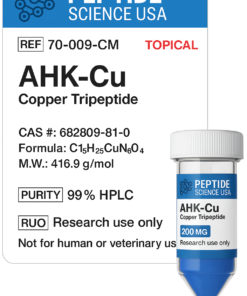
Cosmetic Peptides
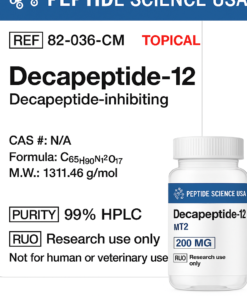
Cosmetic Peptides
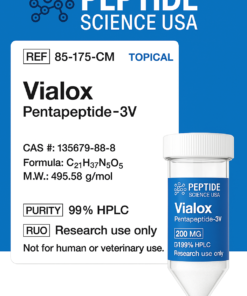
Cosmetic Peptides
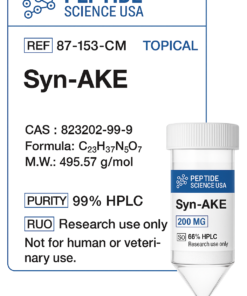
Cosmetic Peptides
Cosmetic Peptides
Cosmetic Peptides
Cosmetic Peptides
Cosmetic Peptides
Laura Stone –
Helps fade fine lines. I love the soft texture.
Chris Bennett –
Fantastic for building collagen. Great results!
Melissa Ray –
Works wonders under my eyes.
Dylan Fisher –
Smoothed my skin and improved firmness.
Natalie Cruz –
My skin feels firmer and more hydrated.