

GLP-1 (Glucagon-Like Peptide-1) The Science-Backed Hormone Redefining Metabolic Health
GLP-1, short for Glucagon-Like Peptide-1, is a naturally occurring incretin hormone that plays a central role in regulating blood sugar, appetite, and metabolic function. Produced in the gut after eating, GLP-1 signals the pancreas to release insulin, slows digestion, and communicates with the brain to reduce hunger — making it one of the most important metabolic regulators discovered in modern medicine.
Today, GLP-1 receptor agonists — medications that mimic the action of this hormone — are at the forefront of treating Type 2 diabetes and obesity, with clinical evidence supporting significant improvements in weight, cardiovascular outcomes, and blood sugar control.
What Is GLP-1? Understanding the Glucagon-Like Peptide-1 Hormone
GLP-1 is a peptide hormone secreted by the L-cells of the small intestine in response to food intake. It belongs to the incretin family — hormones that stimulate insulin secretion after meals. Unlike insulin itself, GLP-1 works in a glucose-dependent manner, meaning it only stimulates insulin release when blood sugar is elevated, dramatically reducing the risk of dangerous hypoglycemia.
How GLP-1 Works in the Body
Once released, GLP-1 binds to GLP-1 receptors found across multiple organ systems. Its key actions include:
▸ Stimulating insulin secretion from the pancreatic beta cells
▸ Suppressing glucagon release, which prevents excess glucose production
▸ Slowing gastric emptying to moderate the rise of blood sugar after meals
▸ Activating satiety centers in the brain to reduce appetite and caloric intake
▸ Supporting beta cell health and potentially promoting new beta cell growth
GLP-1 vs. Natural Hormone Levels
In individuals with Type 2 diabetes and obesity, natural GLP-1 secretion is often diminished or the body responds poorly to it. GLP-1 receptor agonist medications are designed to restore and amplify these effects, delivering the hormone’s benefits at sustained therapeutic levels far above what the body alone can produce.
Key Benefits of GLP-1 Receptor Agonists
The clinical benefits of GLP-1-based therapies extend well beyond blood sugar management. Extensive research has documented the following advantages for eligible patients:
1. Significant Weight Loss
GLP-1 receptor agonists are among the most effective pharmacological tools for sustained weight reduction. By reducing appetite, increasing feelings of fullness, and slowing digestion, patients in clinical trials have experienced an average weight loss of 10–22% of their body weight — a milestone previously achievable only through bariatric surgery.
2. Blood Sugar Control in Type 2 Diabetes
GLP-1 therapies reliably lower HbA1c levels — a key marker of long-term blood glucose control. They work synergistically with the body’s own insulin response, reducing fasting and post-meal glucose spikes with a low risk of hypoglycemia.
3. Cardiovascular Protection
Several large-scale cardiovascular outcome trials have demonstrated that GLP-1 receptor agonists reduce the risk of major adverse cardiovascular events (MACE), including heart attack and stroke, in high-risk patients. This makes GLP-1 therapies particularly valuable for people with both diabetes and established heart disease.
4. Improved Kidney Health
Emerging research suggests GLP-1 receptor agonists may offer kidney-protective effects, slowing the progression of diabetic kidney disease — a common and serious complication of long-term diabetes.
GLP-1 Medications: Leading Treatments on the Market
Pharmaceutical advances have produced a growing class of GLP-1 receptor agonists, each with unique delivery mechanisms and dosing schedules. These are prescribed for Type 2 diabetes management and, in some cases, chronic weight management:
▸ Semaglutide — available as a weekly injection or daily oral tablet, the active ingredient in leading branded treatments
▸ Liraglutide — a daily injectable GLP-1 agonist used for both diabetes and obesity
▸ Dulaglutide — a once-weekly injection approved for glycemic control
▸ Exenatide — one of the earliest GLP-1 agonists, available in twice-daily and weekly formulations
▸ Tirzepatide — a dual GIP/GLP-1 receptor agonist representing the next generation of incretin therapy
All GLP-1 medications require a valid prescription and should be used under the guidance of a qualified healthcare provider. Dosing, eligibility, and expected outcomes vary by individual health profile.
Who Can Benefit from GLP-1 Therapy?
Indicated Patients
GLP-1 receptor agonists are generally indicated for:
▸ Adults with Type 2 diabetes who need improved glycemic control
▸ Individuals with a BMI of 30 or greater (obesity), or BMI 27+ with a weight-related health condition
▸ Patients at high cardiovascular risk who may benefit from added heart protection
Important Considerations
GLP-1 therapy is not suitable for everyone. It is not recommended for individuals with a personal or family history of medullary thyroid carcinoma or Multiple Endocrine Neoplasia syndrome type 2 (MEN 2). People with Type 1 diabetes or a history of pancreatitis should consult their physician before use. Common side effects include nausea, vomiting, and gastrointestinal discomfort, particularly during dose initiation.
Why GLP-1 Is Transforming Modern Medicine
The discovery and therapeutic development of GLP-1 represents one of the most significant advances in endocrinology and metabolic medicine in the past three decades. What began as a fundamental research finding — that the gut communicates with the pancreas and brain to regulate energy balance — has grown into a multi-billion-dollar class of medications helping millions of people worldwide achieve healthier body weights and better metabolic control.
Beyond its current applications, GLP-1 research is rapidly expanding. Scientists are investigating its potential role in neurodegenerative diseases, fatty liver disease,sleep apnea, and polycystic ovary syndrome (PCOS) — suggesting the therapeutic reach of GLP-1 biology may only be beginning.
Frequently Asked Questions About GLP-1
Is GLP-1 a natural hormone or a drug?
GLP-1 itself is a natural hormone produced in your gut. GLP-1 receptor agonists are synthetic medications designed to mimic and amplify the actions of this hormone at therapeutic levels.
How quickly do GLP-1 medications work?
Most patients begin to see blood sugar improvements within weeks. Significant weight loss typically becomes evident after 12–16 weeks, with maximum effects observed over 12–18 months of consistent use.
Do I need a prescription for GLP-1 medications?
Yes. All currently approved GLP-1 receptor agonists require a prescription from a licensed healthcare provider. They are not available over the counter.
Can GLP-1 therapy be combined with other diabetes medications?
Yes. GLP-1 receptor agonists are often combined with metformin, SGLT-2 inhibitors, or other agents as part of a comprehensive diabetes management plan, under physician supervision
4 reviews for GLP-1 Drugs for weight loss
Add a review
Related products
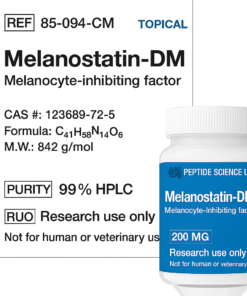
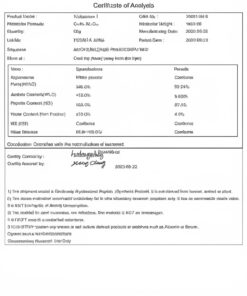
Melanotan Peptides
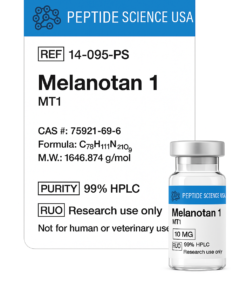
Melanotan Peptides
Melanotan Peptides
Melanotan Peptides
Brandon Stewart –
Great price for a quality peptide. Been using it for fat loss support and I’ve seen real results
Emily Foster –
Shipping was fast and the product feels clean. I’ve noticed decreased appetite and more stable energy
Jonathan Ray –
Didn’t expect such noticeable changes in a short time. Helps control my cravings big time.
Dylan Moore –
Good product. Affordable and effective—what more could you ask for?